Book Sumba Private Tour | Sumba Private Trip

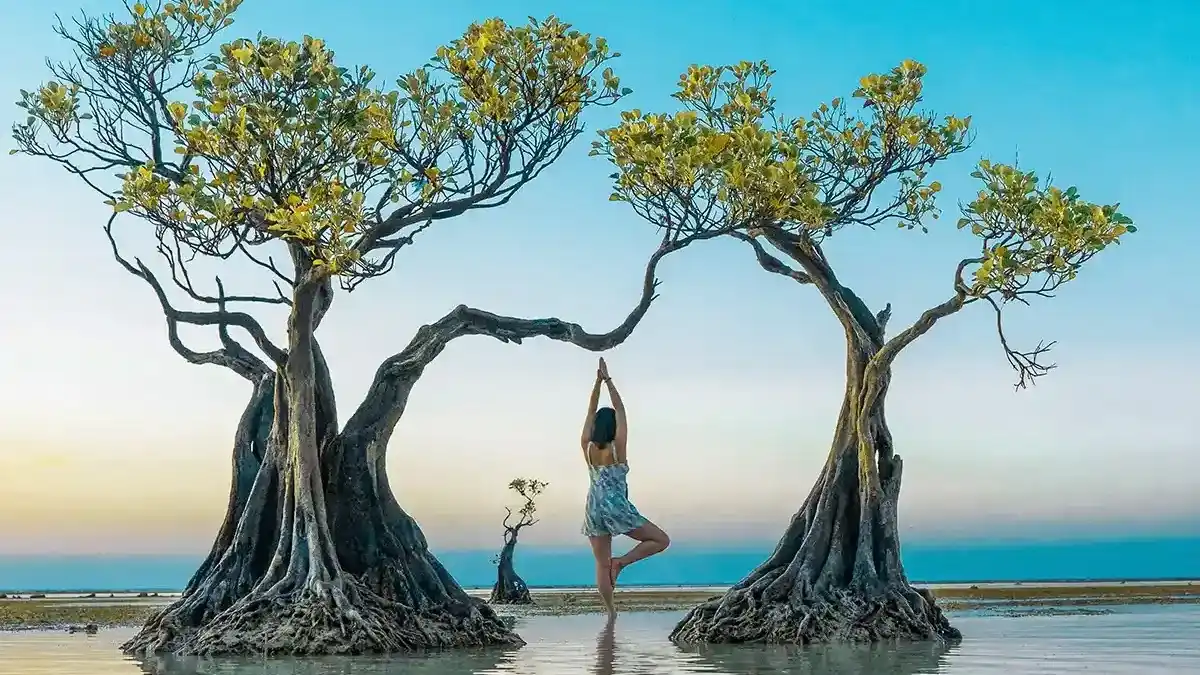
A “sumba private trip” offers travelers a personalized journey through Sumba Island’s natural wonders and cultural landmarks.
– Explore Tanggedu and Lapopu waterfalls
– Visit traditional villages
– Surf at Nihiwatu coast

The gentle rustle of palm leaves mingles with the distant roar of waterfalls, as you step onto the enchanting land of Sumba Island.

Exploring Tanggedu and Lapopu Waterfalls

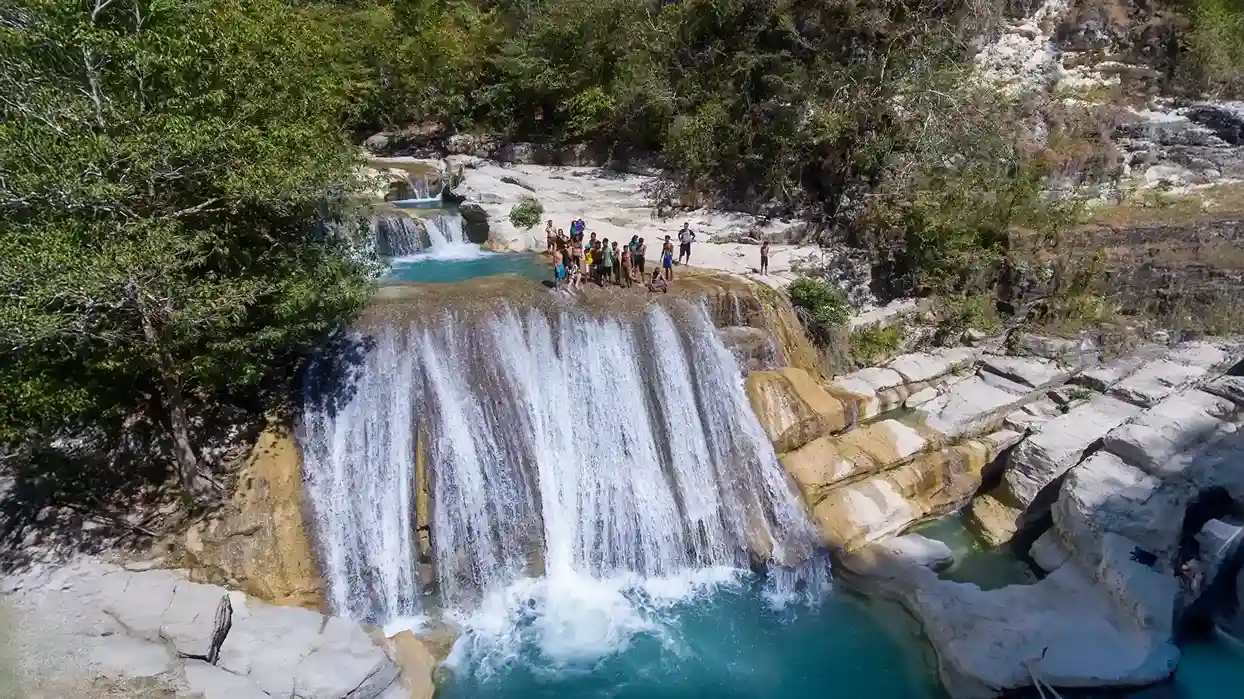
Sumba Island’s Tanggedu and Lapopu waterfalls are not just sights but experiences. Tanggedu, located about 45 kilometers from Waingapu, presents a striking cascade of turquoise waters over limestone formations. A skilled local guide ensures you navigate the 2-hour trek safely, revealing hidden paths and sharing the history of this 80-meter natural wonder. The route is dotted with scenic spots perfect for photography, offering a chance to capture the raw beauty of Sumba.

Lapopu, on the other hand, holds the title of the highest waterfall in East Nusa Tenggara, standing at 90 meters. The journey here involves a 3-hour drive from Waikabubak followed by a 30-minute hike through lush forest. The waterfall’s multiple tiers create a magnificent spectacle, and the site is less crowded than many tourist destinations, allowing for a serene experience. Both sites offer a refreshing swim, with the best time to visit between April and November to avoid the wet season when access can be challenging due to slippery paths.

Traditional Villages: A Glimpse into Sumba’s Past

Sumba’s cultural richness is evident in its traditional villages. Prai Ijing, located near Waikabubak, showcases the island’s distinct thatched-roof houses. These homes are architectural feats, designed to withstand the island’s climate. A visit here is a journey back in time, with the village’s origins tracing back over 1,000 years. Visitors are often welcomed with traditional dances and rituals, providing a deeper understanding of the Sumbanese way of life.

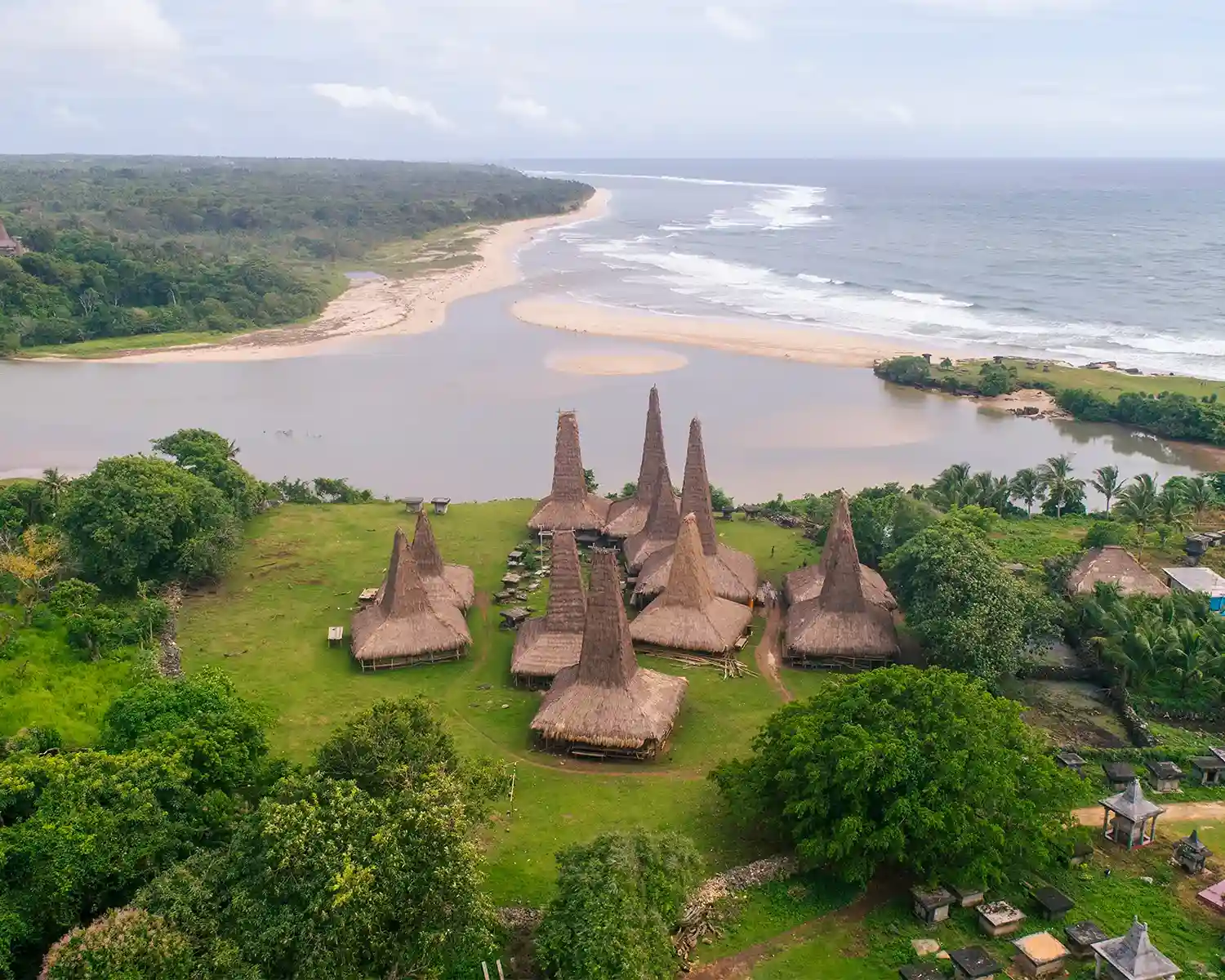
Another must-visit is Ratenggaro, positioned by a scenic coast. It’s famed for its megalithic tombs dating back to the Neolithic era. Local guides narrate tales of ancient rituals and living traditions, offering insights into the island’s cultural mosaic. Entry fees are modest, typically around IDR 50,000 ($3 USD), supporting community-led conservation efforts. The village’s unique architecture and the preserved customs offer a stark contrast to modern urban life, making it a fascinating study for anthropologists and travelers alike.

Surfing at Nihiwatu: Waves and Luxury

Nihiwatu Beach, located on Sumba’s western coast, is a surfer’s sanctuary. Known for its exclusive waves, it’s rated among the world’s best surfing spots. With swells reaching 10 feet, it’s a favored destination for seasoned surfers. The beach is part of the Nihi Sumba resort, a luxury haven offering all-inclusive packages that cater to surfers and families alike.

A 2016 World’s Best Hotel awardee, Nihi Sumba emphasizes sustainability and community engagement. Surf lessons and rental equipment are available, with prices starting from IDR 1,500,000 ($100 USD). For those new to surfing, seasoned instructors offer guidance on technique and safety, ensuring a safe yet thrilling experience. The best surfing conditions are found between May and September, when the winds are favorable. During this period, the ocean teems with activity, drawing surfers from around the globe eager to ride Sumba’s legendary waves.

Diving Adventures in Sumba

While Sumba is renowned for its terrestrial beauty, its underwater landscapes are equally alluring. The waters surrounding the island are home to diverse marine life and vibrant coral reefs. Popular dive sites such as Cape Kri and Blue Magic offer opportunities to see everything from schools of barracuda to majestic manta rays.

Dive operators on the island provide equipment rentals and guided tours, with prices averaging $150 USD for a day trip. The best diving conditions occur between April and November, coinciding with the dry season. Diving in Sumba is an opportunity to explore lesser-known sites that are untouched by the masses, offering a sense of discovery and adventure rarely found elsewhere.

Creating Your Perfect Itinerary

Crafting a Sumba private trip itinerary is a personalized endeavor. Whether you’re drawn to cultural excursions or natural wonders, options abound. A typical package includes a private guide and car, providing flexibility and comfort. Customization is key, allowing travelers to mix and match activities such as hiking, cultural tours, and beach relaxation.

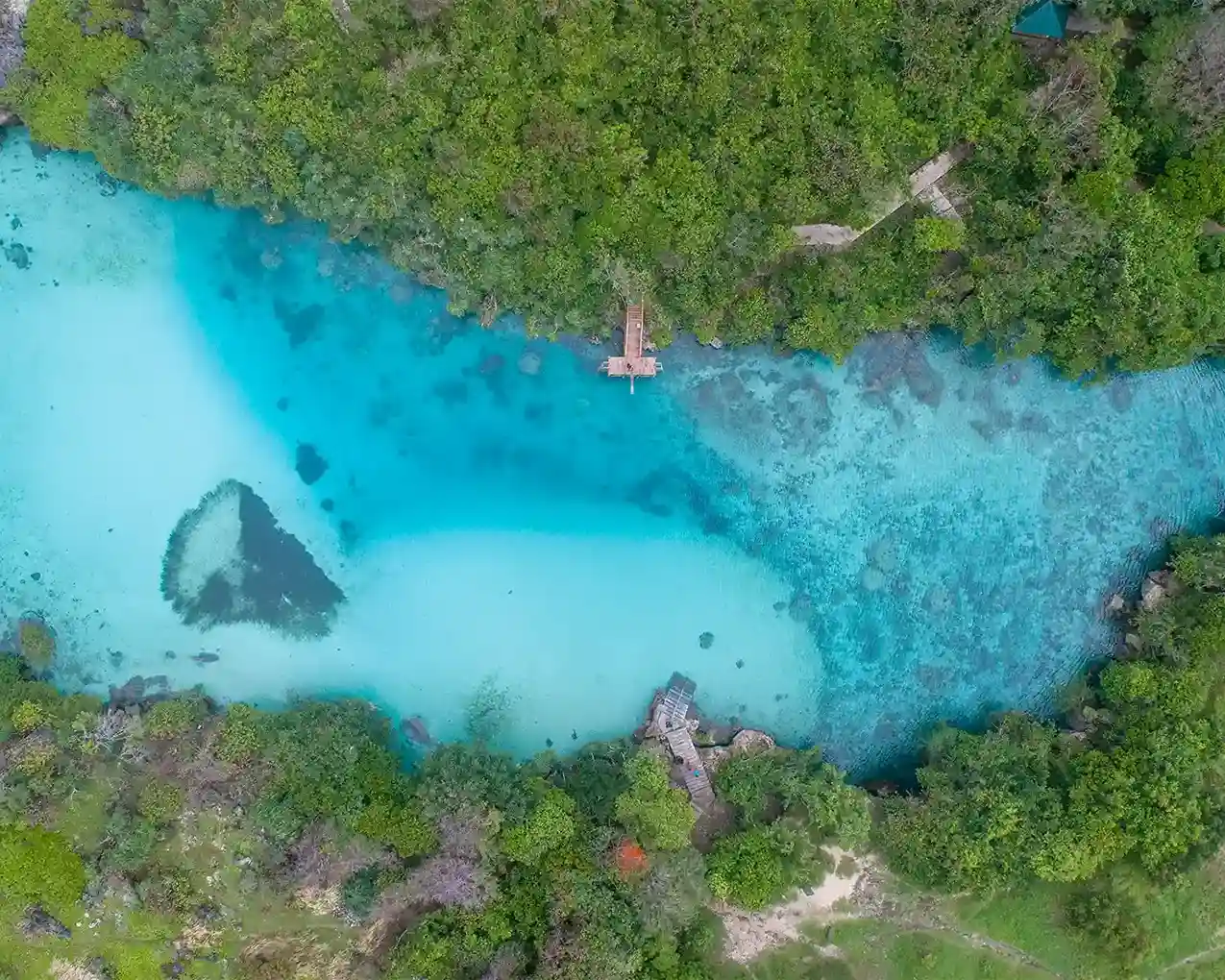
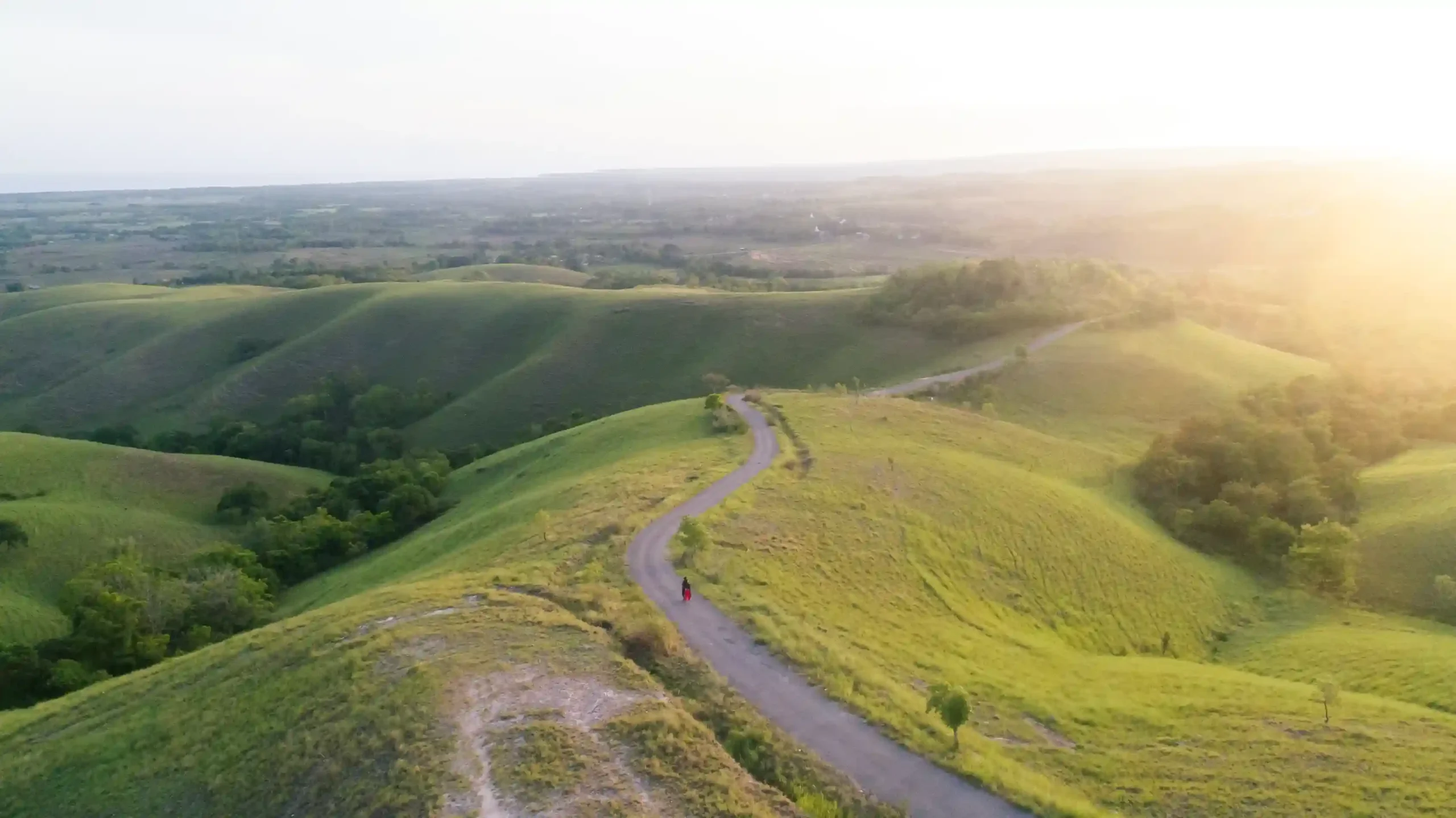
For a 5-day tour, expect to cover significant landmarks such as the Weekuri Lake, known for its crystal-clear waters, and Wairinding Hill, offering panoramic views at sunset. Prices for private tours start at IDR 5,000,000 ($330 USD) per person, which includes accommodation, meals, and entrance fees. Custom itineraries can be adjusted to match personal interests and time constraints, ensuring a tailor-made adventure.

Why Choose a Private Guide?

Opting for a private guide on your Sumba adventure enhances the experience significantly. Beyond logistical convenience, guides provide invaluable local knowledge. Certified by the Indonesian Ministry of Tourism, these professionals ensure an immersive and educational journey.

Private guides facilitate interactions with local communities, translating and mediating cultural exchanges. They also offer safety, particularly in remote areas where language barriers can be a challenge. Expect rates to vary, starting from IDR 1,000,000 ($65 USD) per day, depending on expertise and language skills. Guides can also assist in navigating the island’s often rugged terrain, ensuring that your journey is as smooth as it is informative.

Pricing Transparency and Best Seasons

Understanding costs upfront is crucial for any traveler. Sumba private trips offer transparent pricing, with detailed breakdowns provided before booking. Packages typically include accommodation, meals, transportation, and guide services. This transparency allows travelers to budget accurately, avoiding unexpected expenses that could detract from the experience.

The best time to visit Sumba is during the dry season, from April to October, when the weather is most favorable for outdoor activities. Prices may fluctuate based on the season, with peak times during July and August. Booking in advance is recommended to secure preferred dates and accommodations. Early planning also allows for better customization of itineraries, ensuring that every aspect of your trip aligns with personal preferences.

Comparing Sumba with Other Indonesian Destinations

While Bali and Lombok are popular choices, Sumba offers a distinct appeal with its unspoiled landscapes and cultural depth. Unlike the bustling tourist hubs of its counterparts, Sumba provides a more intimate and authentic experience. Those seeking solitude and a connection with nature will find Sumba’s landscapes both calming and inspiring.

For those seeking tranquility and genuine cultural engagement, Sumba stands out. Its commitment to sustainable tourism and community involvement aligns with global trends, making it an attractive option for conscientious travelers. The island’s focus on eco-friendly practices and cultural preservation offers a model for sustainable travel, attracting those who wish to travel responsibly. Explore our offerings and discover the unique charm of Sumba on your next adventure.

Ready to plan your Sumba private trip? Explore our tailored itineraries and book your dream journey today. For more insights and travel tips, visit our blog. To learn more about Indonesia’s rich cultural heritage, visit the Wikipedia page on Indonesia or the official Indonesia travel website.

Scroll to Top
💬