
Best Time for Sumba Private Trip – Insider Guide
6 min read
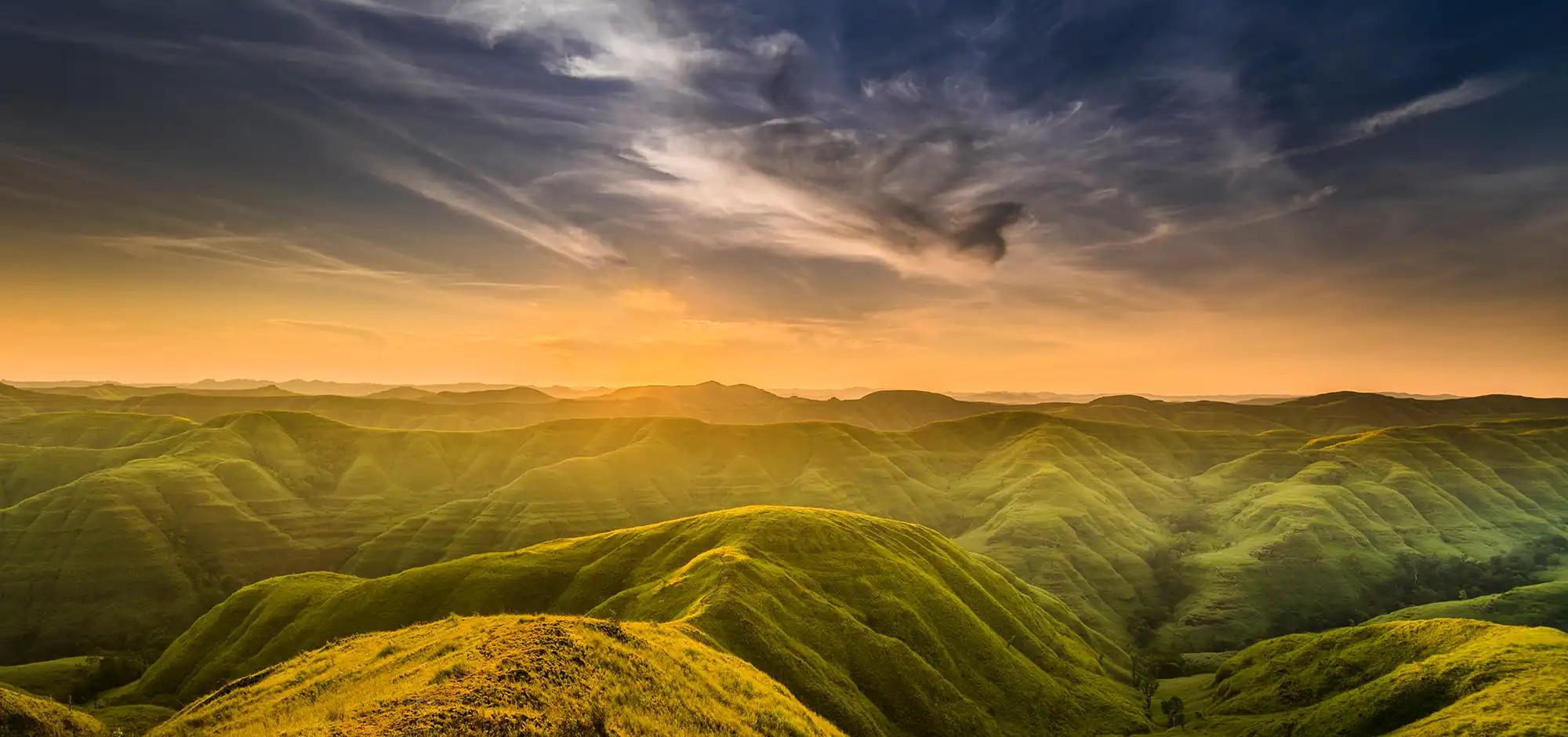
- Temperatures range from 25°C to 30°C, ideal for outdoor activities.
- Chance of rain is minimal, ensuring clear skies and accessible roads.
- Peak tourism months are July and August due to European summer holidays.
The island of Sumba awakens with the sound of rustling palms and distant waves. Sunlight dapples through the canopy as you step onto the red earth of a traditional village, feeling the warmth of the island embrace you.
Understanding Sumba’s Climate
Sumba’s climate is distinctly tropical, characterized by a wet and dry season. The wet season typically spans from November to March, bringing heavy rainfall that can make some roads challenging to navigate. In contrast, the dry season from April to October is favored by travelers for its predictability and accessibility. During this time, temperatures hover between 25°C and 30°C, allowing for comfortable exploration of sites like Tanggedu Waterfall, located approximately 45 kilometers from Waingapu. This period is especially popular among surfers heading to the Nihiwatu coast, renowned for its world-class waves.
The Hidden Window: Transition Months
For those seeking a quieter experience, consider visiting during the transition months of April and October. These months offer a unique blend of clear skies and lush landscapes, as remnants of the wet season gradually give way to the dry. April marks the end of the rainy season, leaving behind verdant scenery perfect for photography enthusiasts. October, on the other hand, signals the beginning of the monsoon, yet rainfall remains sporadic, providing ample opportunities for exploration without the crowds. This insight into Sumba’s seasonal shifts can enhance your Sumba private trip, ensuring a well-timed adventure.
High and Low Season Dynamics
Sumba experiences its peak tourist influx in July and August, coinciding with the European summer break. This period sees an increase in accommodation prices and availability issues, particularly in popular areas such as Waikabubak. During these months, it’s advisable to book your private guide and car rentals well in advance to avoid disappointment. Conversely, the low season from November to March offers a more intimate experience, with fewer tourists and more competitive pricing. While the wet season may deter some, it also presents an opportunity to witness the island’s dramatic transformation, as waterfalls like Lapopu swell to their fullest.
Preparing for Monsoon Season
Traveling during Sumba’s monsoon season requires careful planning. From November through March, heavy rains can lead to flooding in low-lying areas and temporary road closures. However, the monsoon also breathes life into the island’s flora and fauna, offering a vibrant backdrop for those willing to embrace the elements. Travelers should pack accordingly, opting for waterproof clothing and sturdy footwear. Planning a monsoon travel strategy with your local guide ensures safety and maximizes your experience, even in less predictable weather.
Local Festivals and Cultural Considerations
Timing your visit to coincide with local festivals can add a rich cultural dimension to your trip. The Pasola Festival, held in February and March, is a traditional war game showcasing Sumba’s unique cultural heritage. This event draws both locals and tourists, providing a fascinating glimpse into the island’s customs. However, visiting during these festivals may require early accommodation bookings due to increased demand. Engaging with local communities during such events offers a deeper understanding of Sumba’s diverse cultural mosaic, making your trip more meaningful.
Transport and Accessibility on Sumba
Getting around Sumba can be an adventure in itself. The island has a limited public transport system, making private transport a more reliable option for tourists. Renting a car with a driver for a day typically costs around $50-$70 USD, allowing you to explore at your own pace. Some roads, especially those leading to remote beaches and villages, can be rough and unpaved, adding to the sense of exploration. For those interested in a more immersive experience, motorbike rentals are available for approximately $10 USD per day. Waingapu and Tambolaka are the principal airports on the island, with domestic flights connecting from Bali and Jakarta, making access to this remote destination surprisingly convenient.
Comparing Sumba to Other Indonesian Islands
When comparing Sumba to other islands in Indonesia, such as Bali or Lombok, it’s important to consider the differences in tourism infrastructure and natural attractions. Bali is renowned for its developed tourism sector, with a wide range of luxury accommodations, vibrant nightlife, and culinary experiences. Sumba, however, offers a more rustic and authentic Indonesian experience, with fewer tourists and untouched landscapes. Lombok is known for its striking beaches and proximity to the Gili Islands, but Sumba’s unique culture and history, along with its distinct landscapes, provide an alternative for those seeking an off-the-beaten-path adventure. Whether you’re interested in diving at sites like Cape Kri and Manta Sandy in Raja Ampat or the cultural richness of Sumba, each island offers distinct experiences that cater to different types of travelers.
Sustainable Tourism Initiatives
As tourism in Sumba grows, there is a concerted effort to promote sustainable practices that benefit local communities and preserve the island’s natural beauty. Many tour operators now emphasize eco-friendly practices, such as limiting plastic use and encouraging travelers to engage in community-based tourism. Educational programs and workshops are available for tourists to learn about Sumba’s environment and culture in a respectful manner. These initiatives align with Indonesia’s broader goal to promote sustainable tourism across its diverse islands, as outlined on Indonesia Travel.
Booking Your Sumba Private Trip
When planning your Sumba private trip, consider the season’s impact on pricing and availability. The dry season, particularly between May and September, is ideal for securing competitive rates and ensuring access to all touristic sites. Early booking of services like private guides and vehicles is recommended to lock in the best options. Additionally, aligning your itinerary with local events and seasonal highlights can enhance your travel experience. For more detailed planning and personalized itineraries, our team at Sumba Private Trip is ready to assist you in crafting the perfect journey.
Explore Sumba with confidence and precision. Visit our homepage to start planning your adventure, or explore our seasonal guide for more insights on the best times to visit Sumba. For a broader understanding of the region’s cultural heritage, consider exploring the UNESCO-listed sites throughout Indonesia, which offer a deeper connection to the country’s rich history and traditions.
Planning specifics? See full pricing guide or booking details.
Keep Reading
All articles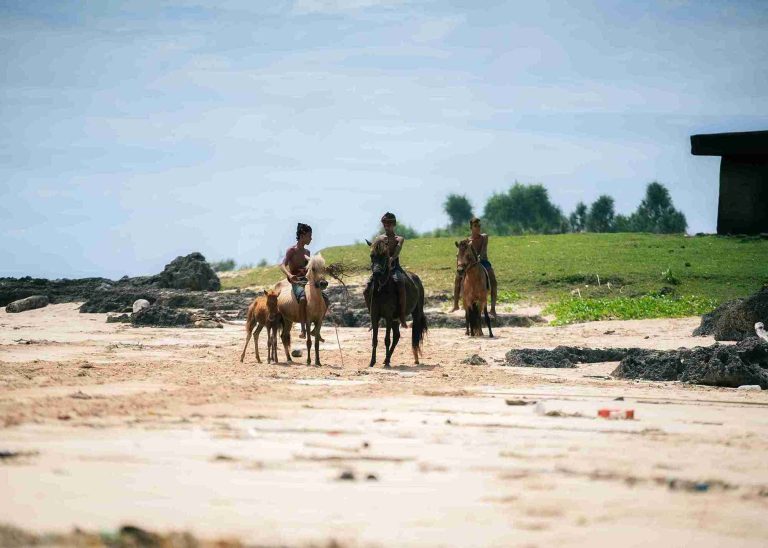
Journal
Guide to Nihiwatu surf coast and nearby beaches in Sumba
Nihiwatu Surf Coast is a premier surfing destination in Sumba, offering consistent waves and beautiful landscapes. Visitors can experience world-class surf, explore nearby beaches,…
4 min read
Read article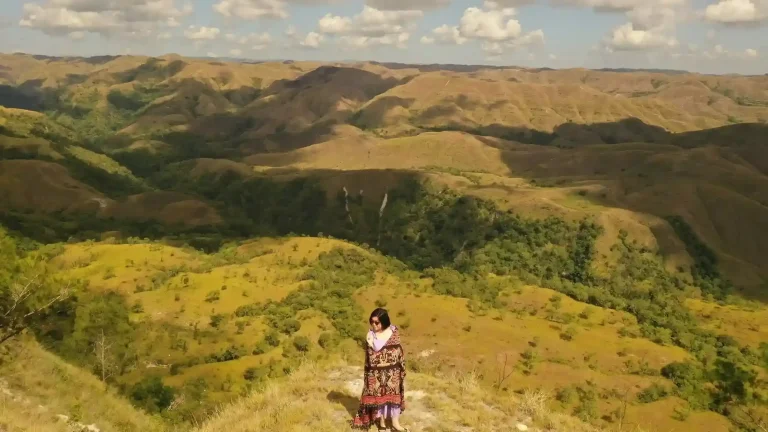
Journal
Visiting ikat weaving villages in Sumba on a private tour
Visiting ikat weaving villages in Sumba on a private tour is an enriching experience. Travelers can explore traditional crafts, interact with local artisans, and…
4 min read
Read article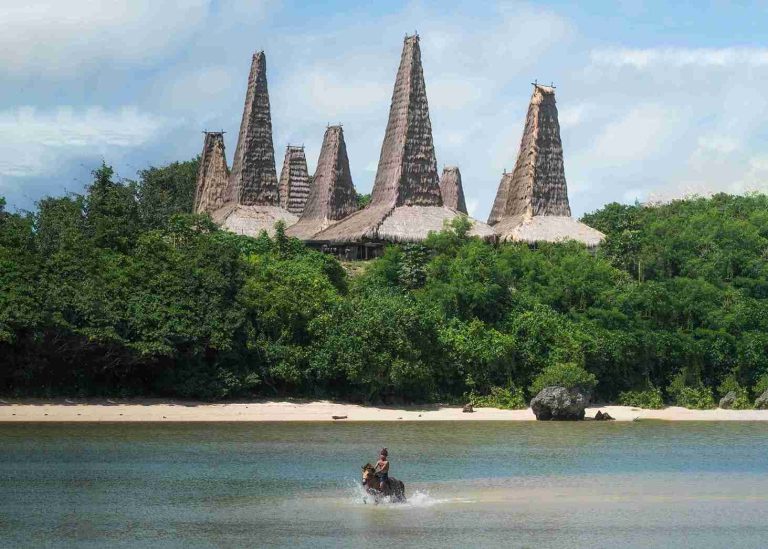
Journal
Understanding Sumba’s Marapu religion and cultural practices
Sumba’s Marapu religion is a vital aspect of local culture, deeply rooted in animism and ancestor worship. This belief system shapes daily life, rituals,…
5 min read
Read article