The Definitive Sumba Private Tour Guide

A Sumba private trip offers bespoke guided tours on Sumba Island, featuring attractions such as Tanggedu and Lapopu waterfalls, traditional villages, and the Nihiwatu surf coast.
– Customized itineraries with private guide and vehicle
– Best explored from March to November
– Prices vary based on duration and services

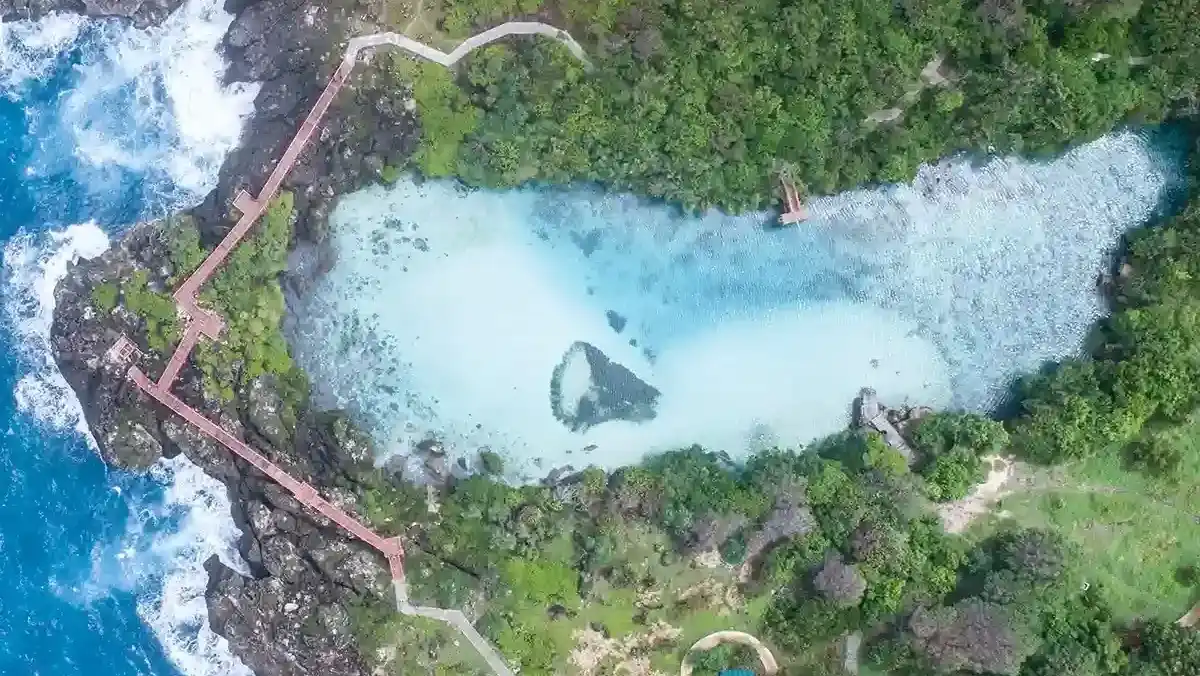
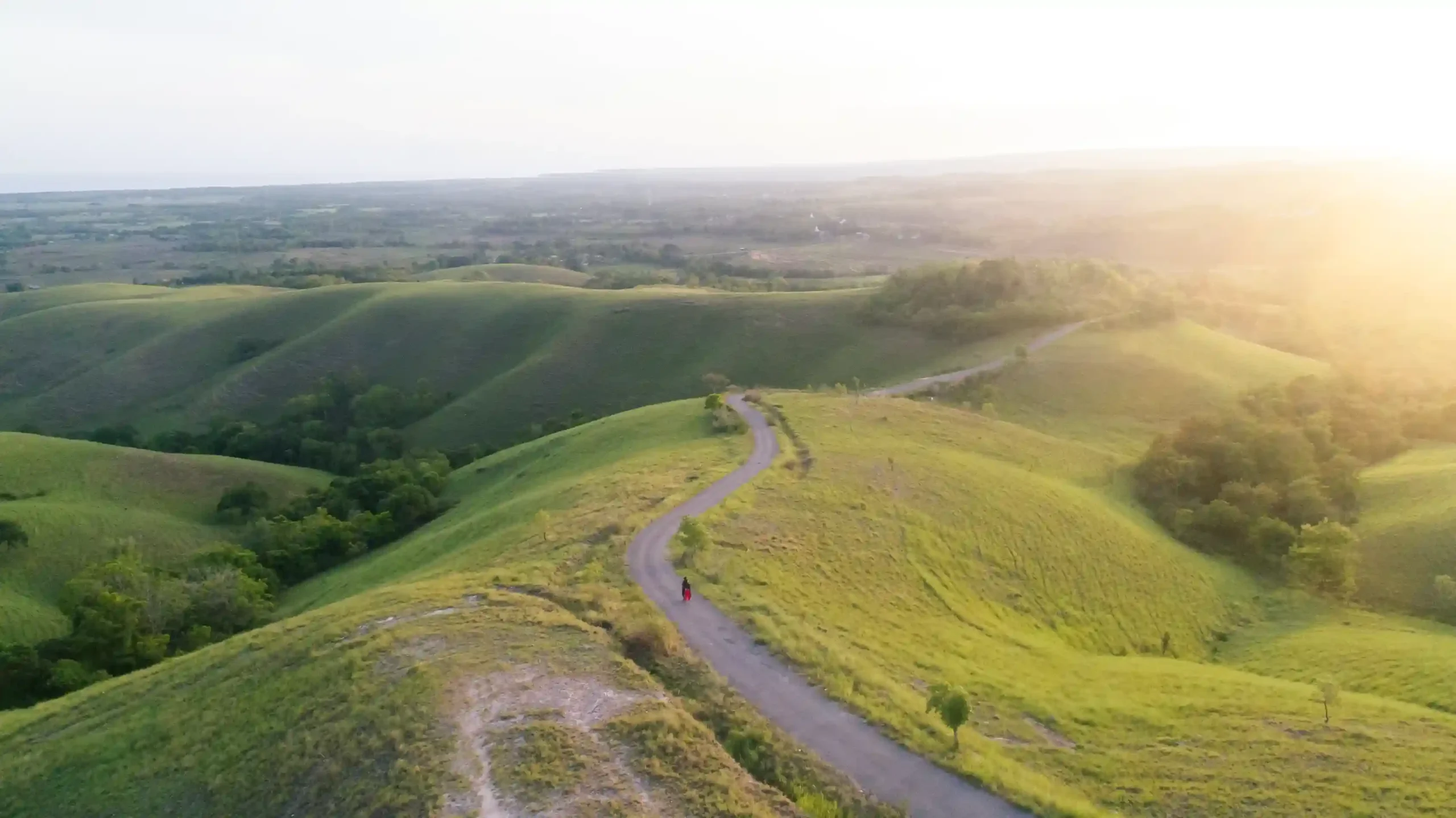
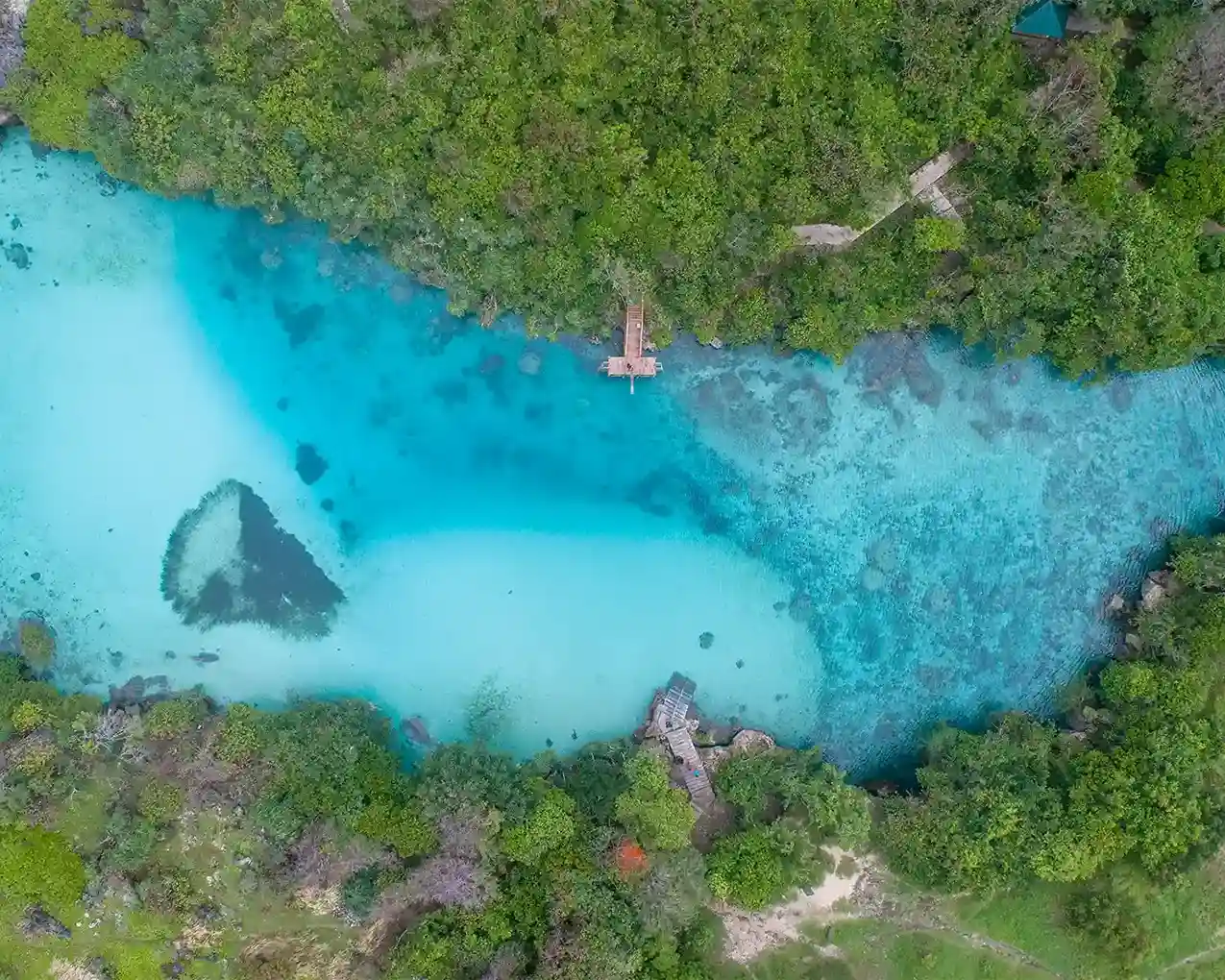
The sound of water cascading over ancient rocks fills the air as you walk through the lush landscapes of Sumba Island. Here, every moment offers a glimpse into a world where nature and culture converge.

Exploring Sumba: Beyond the Ordinary

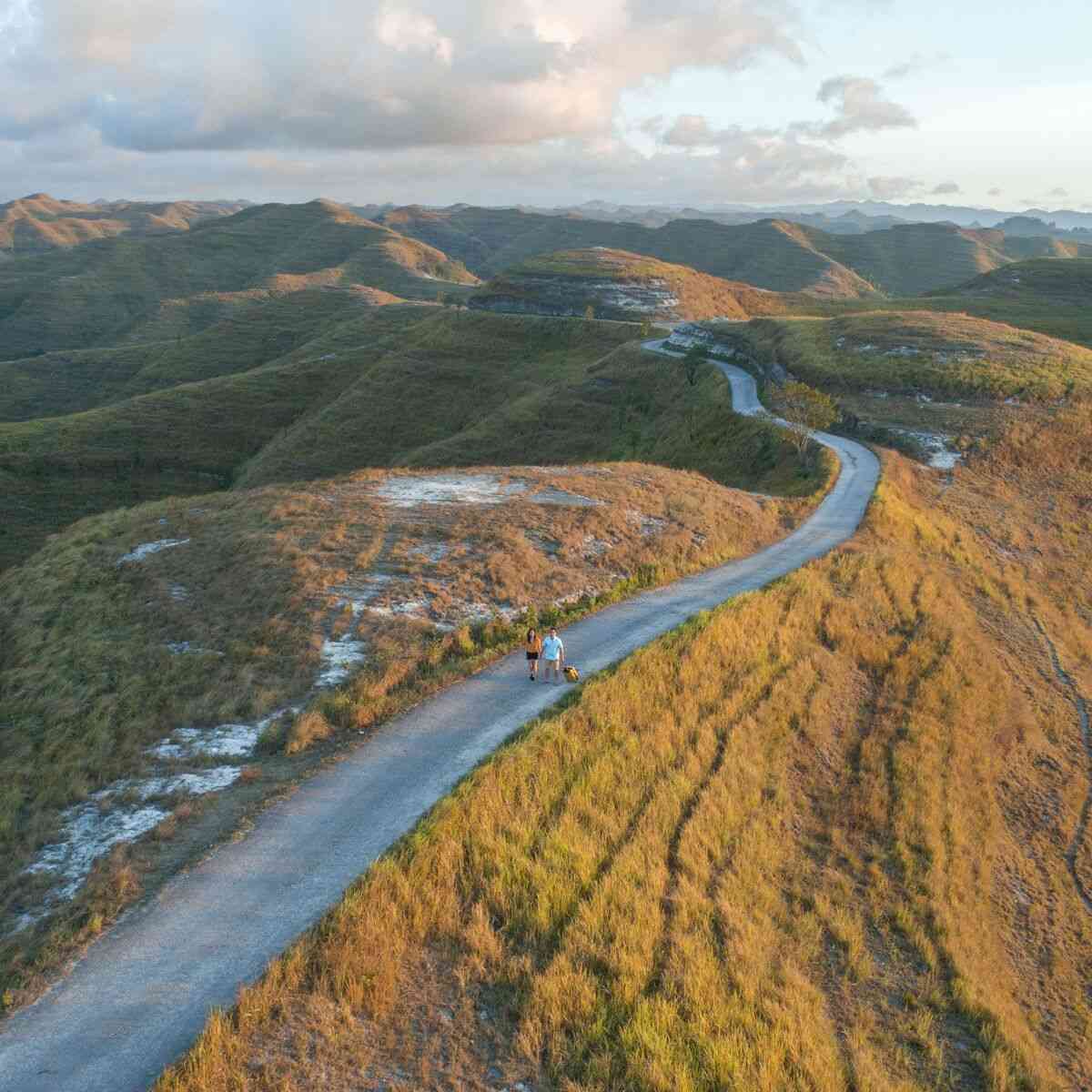
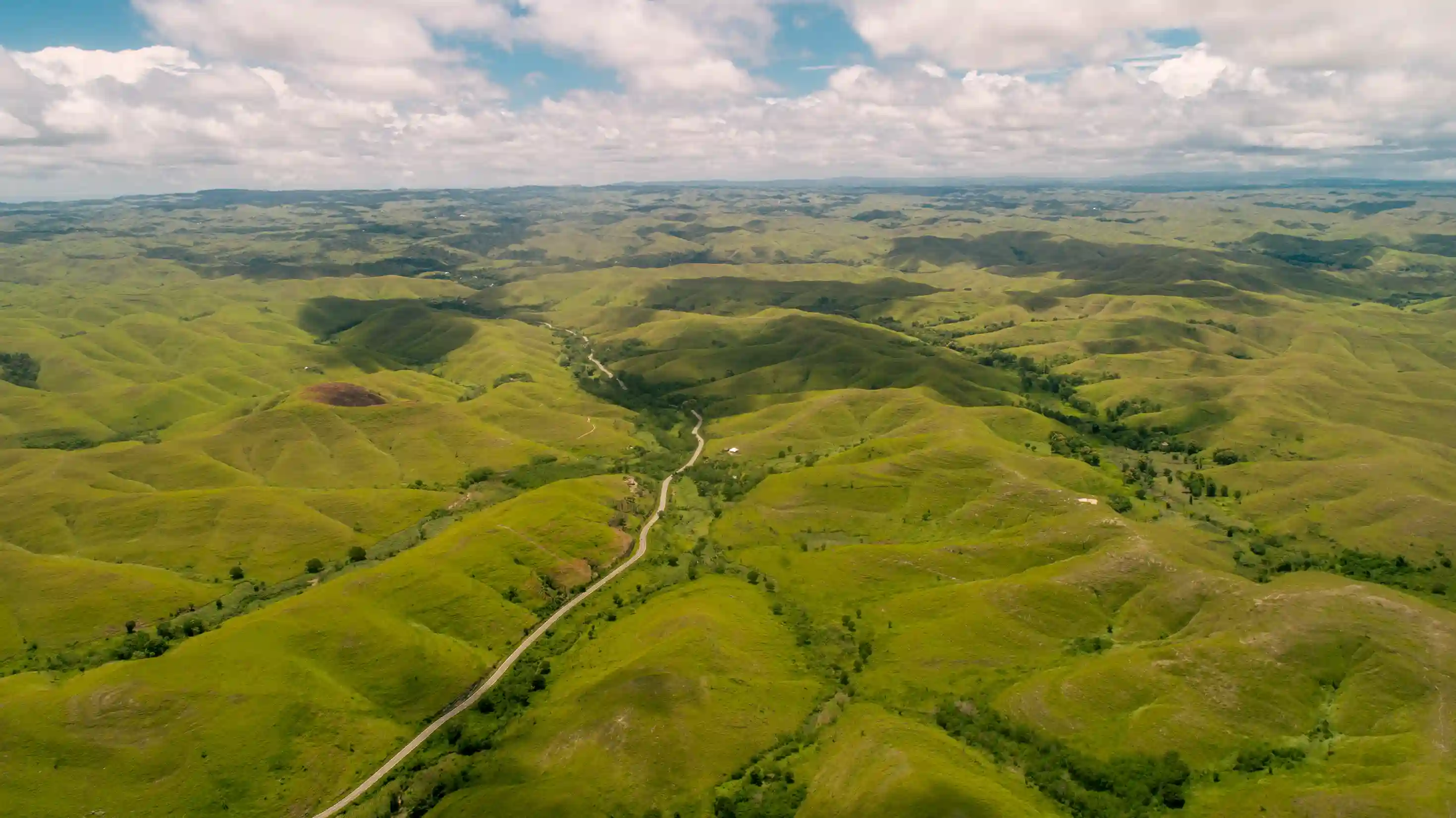
Sumba Island, located in East Nusa Tenggara, Indonesia, covers an area of approximately 11,153 square kilometers. Known for its distinct culture and natural beauty, Sumba draws travelers seeking a personalized experience. Private tours provide access to areas like the Tanggedu and Lapopu waterfalls, each over 90 minutes from Waingapu. Both sites offer unique visual splendor, attracting nature enthusiasts year-round.

With a certified private guide, visitors delve deeper into Sumba’s heritage. Guides are often accredited by local tourism boards, ensuring expertise on cultural practices and historical context. This region’s allure is enhanced by its commitment to sustainable tourism, fostering a balance between exploration and preservation. As you journey through Sumba, each location tells its own story, waiting to be discovered.

Traditional Villages: A Step Back in Time

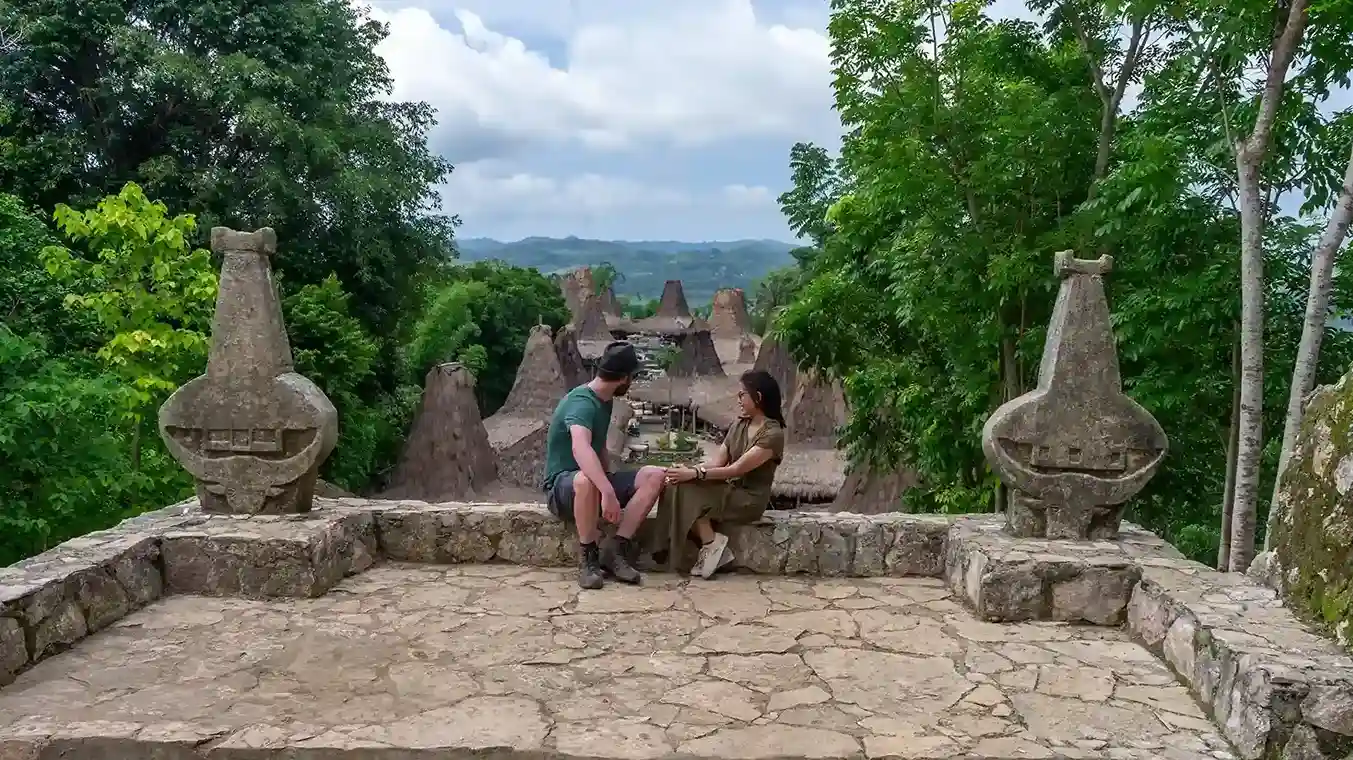
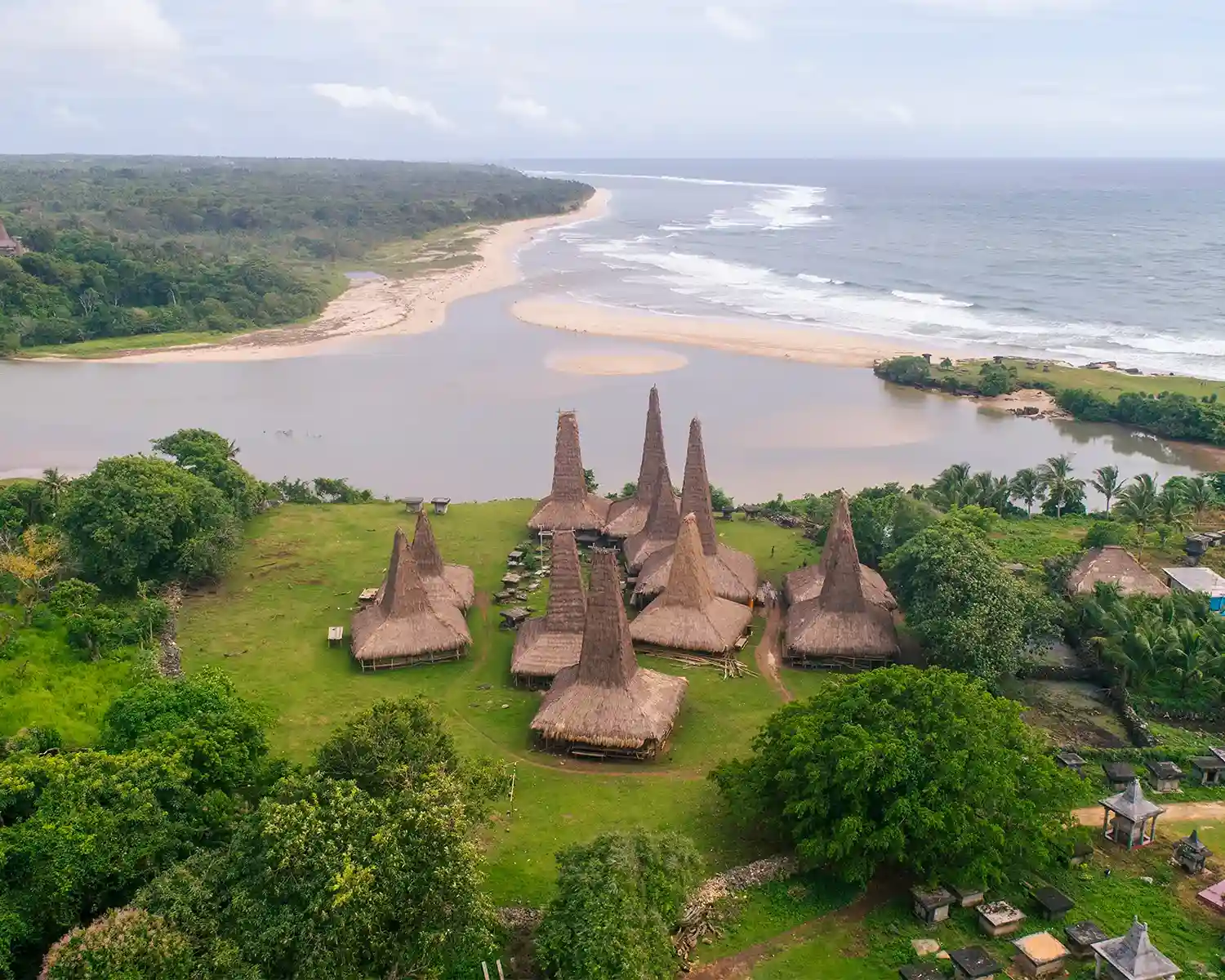
The traditional villages of Sumba, like Prai Ijing and Tarung, offer a rare glimpse into ancient customs. Located near Waikabubak, these villages showcase traditional Sumbanese architecture. Houses, constructed with thatched roofs and raised platforms, reflect a design that dates back centuries. These structures, some over 100 years old, are emblematic of the island’s enduring heritage.

Visitors can witness daily life and participate in local ceremonies, often held during the dry season from June to September. The annual Pasola festival, a notable event rooted in ancestral traditions, is celebrated with great enthusiasm. During this time, warriors on horseback engage in symbolic battles, a thrilling cultural spectacle.

For those interested in anthropology, the villages offer insights into the Marapu belief system, a set of spiritual practices unique to Sumba. This experience is both educational and transformative, deepening one’s understanding of Indonesia’s diverse cultural landscape.

Nihiwatu Surf Coast: A Surfer’s Sanctuary

Located on Sumba’s southwestern coast, the Nihiwatu surf break is renowned internationally. This spot offers ideal conditions for surfers, with waves reaching heights of up to 5 meters. Access is often limited to ensure safety and preserve the area’s pristine environment. The Nihiwatu area also features luxurious accommodations, providing exclusivity for its guests.

The resort here, known for its commitment to sustainability, supports local communities through various initiatives. Travelers can explore nearby beaches and enjoy activities such as snorkeling and horseback riding. The surf coast is accessible from Tambolaka Airport, approximately 55 kilometers away, making it a convenient yet secluded destination for surf enthusiasts.

For those seeking relaxation, the coast provides a serene backdrop, where the sound of crashing waves complements the tranquil surroundings. This area exemplifies the perfect blend of adventure and leisure, catering to a diverse range of interests.

Creating Your Itinerary: A Personalized Adventure

Crafting the perfect Sumba private trip involves selecting destinations that align with your interests. With the assistance of a private guide, itineraries can be tailored to include cultural sites, natural wonders, or leisure activities. Trips typically span from three to seven days, allowing ample time to explore at a comfortable pace.

Transportation is arranged with private vehicles, ensuring convenience and safety. Local operators often provide options for 4WD vehicles, ideal for navigating Sumba’s rugged terrain. Prices for private tours begin at approximately USD 100 per day, varying with the level of service and duration of the trip.

The best time to visit Sumba is during the dry season, from March to November, when weather conditions are favorable for outdoor activities. Early booking is recommended, particularly during festival periods, to secure accommodation and guide services.

Choosing the Right Guide: Expertise Matters

Selecting a qualified guide is crucial for an enriching experience. Guides should possess certifications from recognized tourism bodies, ensuring they meet industry standards. A knowledgeable guide offers insights into local customs, geography, and history, enhancing the overall travel experience.

Recommendations from past travelers, along with reviews on platforms like TripAdvisor, can assist in choosing the right guide. Many guides are fluent in multiple languages, accommodating international visitors. This linguistic skill, combined with local expertise, allows for effective communication and a deeper connection to the island’s culture.

Engaging a well-reviewed guide contributes to a seamless journey, providing peace of mind and the assurance of a well-curated itinerary. As you explore Sumba, your guide becomes an invaluable resource, transforming a simple trip into a profound cultural exploration.

Regulations and Cultural Sensitivity: Respect and Awareness

Travelers visiting Sumba should be mindful of local customs and regulations. Respect for cultural practices is paramount, as many areas hold spiritual significance. Photography in traditional villages requires permission, preserving the dignity and privacy of the community.

Environmental conservation is a priority, with efforts to minimize the impact of tourism on Sumba’s natural landscapes. Visitors are encouraged to support local initiatives, such as purchasing handicrafts or participating in community-based tourism projects. These efforts contribute to the island’s economic development and cultural preservation.

Awareness of these regulations ensures a respectful and responsible travel experience, aligning with Sumba’s values of sustainability and cultural integrity. By adhering to these guidelines, travelers contribute positively to the island’s future.

Sumba’s Natural Wonders: The Waterfalls

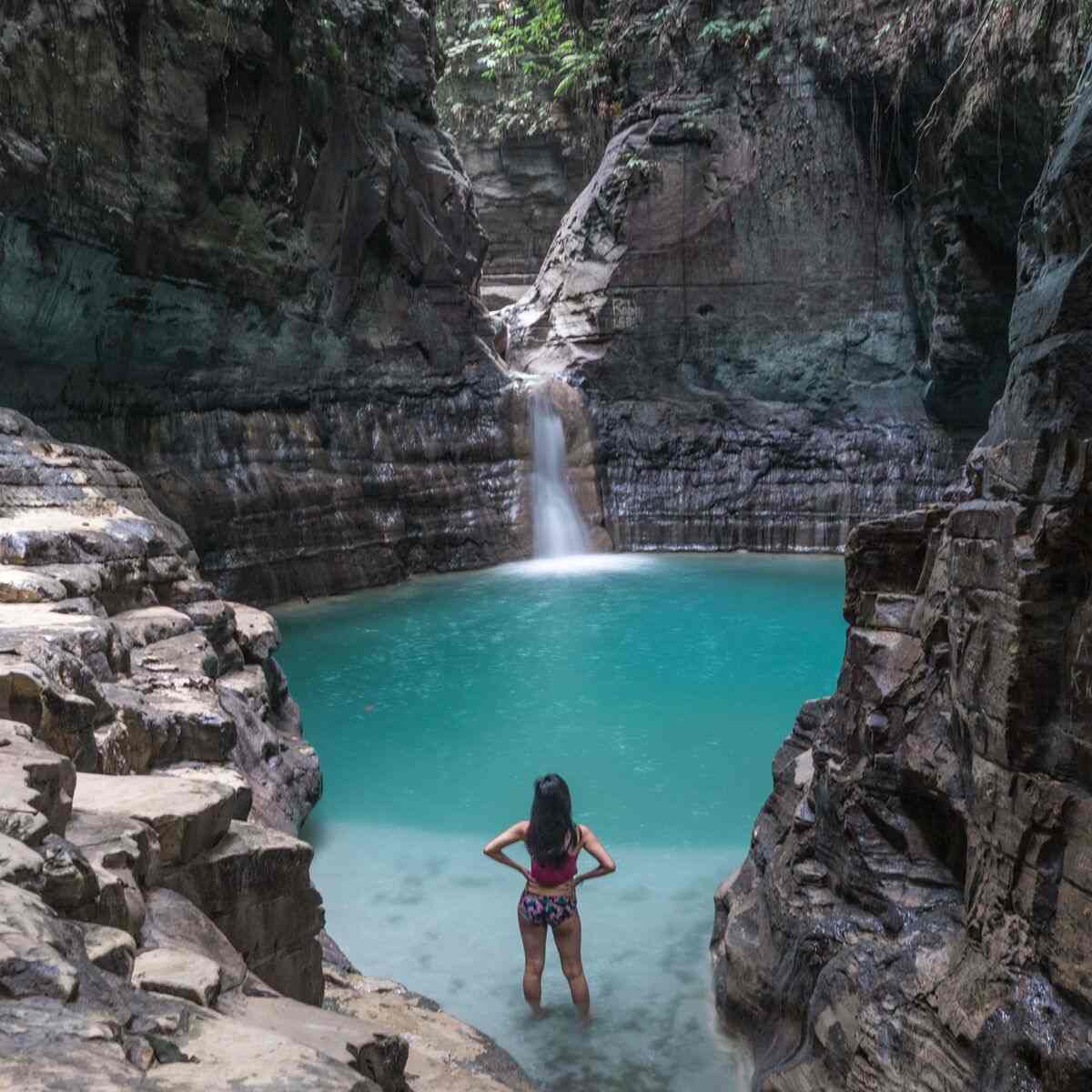
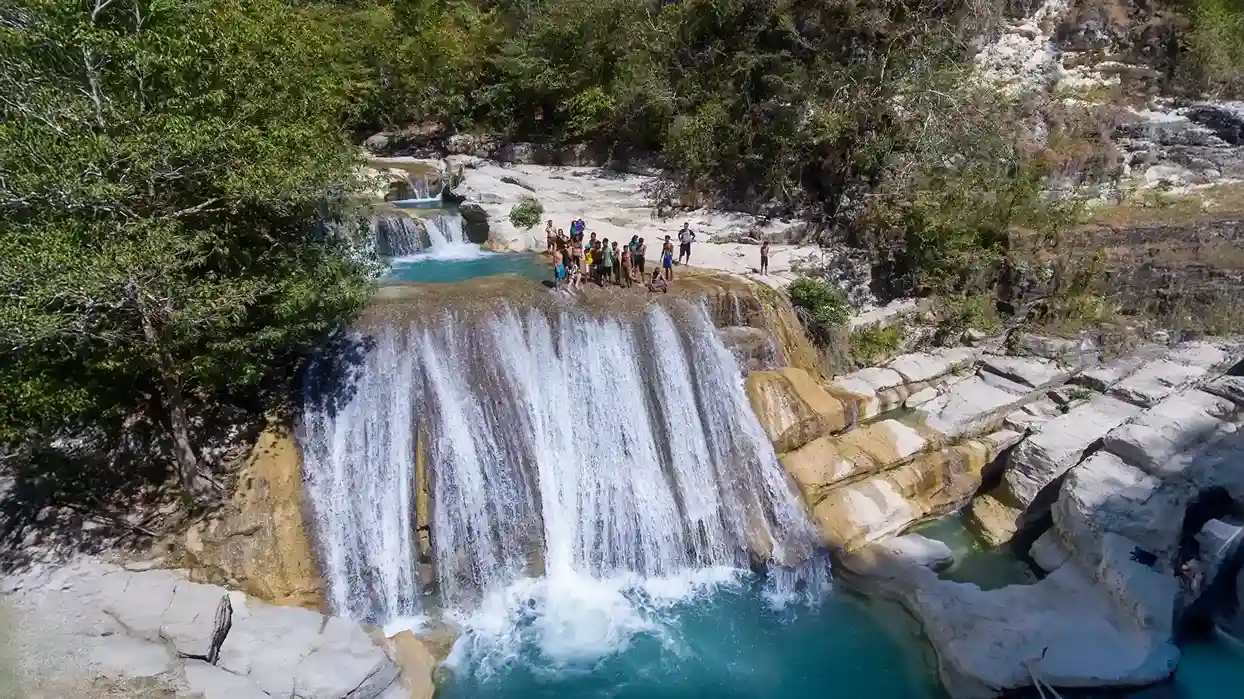
Sumba’s waterfalls are among its most captivating natural attractions. Tanggedu Waterfall, often referred to as the ‘Grand Canyon of East Sumba,’ is a geological marvel with its layered rock formations. Visitors can reach Tanggedu by a 45-minute hike from the nearest village, where the trail offers views of the lush landscape. Lapopu Waterfall, located in the Manupeu Tanah Daru National Park, cascades over 90 meters, making it the highest waterfall on the island. The park itself is part of the Wallacea bioregion, recognized for its unique biodiversity and conservation efforts by organizations like Wikipedia.

These waterfalls are not just about their visual appeal; they are integral to the local ecosystem and the communities that depend on them. The pristine waters are used for irrigation, supporting agriculture in nearby villages. Visitors are encouraged to engage with local guides who can share stories of the waterfalls’ significance and the myths surrounding them.

Marine Adventures: Diving in Sumba

Sumba offers more than just terrestrial adventures; its marine life is equally captivating. The island’s waters are less crowded than other Indonesian dive sites, offering pristine conditions for divers. Popular dive sites include Cape Kri, known for its rich marine biodiversity, and Blue Magic, where divers can encounter manta rays, barracudas, and schools of trevallies. Dive operators in Sumba often provide PADI certification courses, catering to both beginners and experienced divers.

Boat specifications for diving trips vary, with most offering comfortable seating, shaded areas, and onboard refreshments. Dive trips typically last half a day, allowing for multiple dives with ample surface intervals. Prices for a two-tank dive start at approximately USD 150, including equipment rental and guide services.

Comparison: Sumba vs. Bali

When considering a trip to Indonesia, travelers often weigh the options between Sumba and Bali. While Bali is renowned for its vibrant nightlife and well-developed tourist infrastructure, Sumba offers a more secluded and culturally authentic experience. Bali’s beaches are dotted with resorts and beach clubs, whereas Sumba’s coastlines remain largely untouched, offering a sense of serenity and exclusivity.

In terms of cultural experiences, Sumba’s traditional villages provide a direct link to Indonesia’s ancient past, whereas Bali’s cultural offerings are more commercialized. Both islands have their unique festivals, but Sumba’s Pasola offers an immersive cultural spectacle that is deeply rooted in tradition. For those seeking a personalized adventure away from the tourist crowds, a Sumba private trip provides an unparalleled opportunity to explore Indonesia’s hidden cultural landscapes.

Plan your ultimate Sumba private trip today, and explore the wonders of Sumba Island with an experienced guide. Discover more about our offerings and create memories that will last a lifetime.

Scroll to Top
💬