
Best time of year to visit Sumba Island for good weather
5 min read
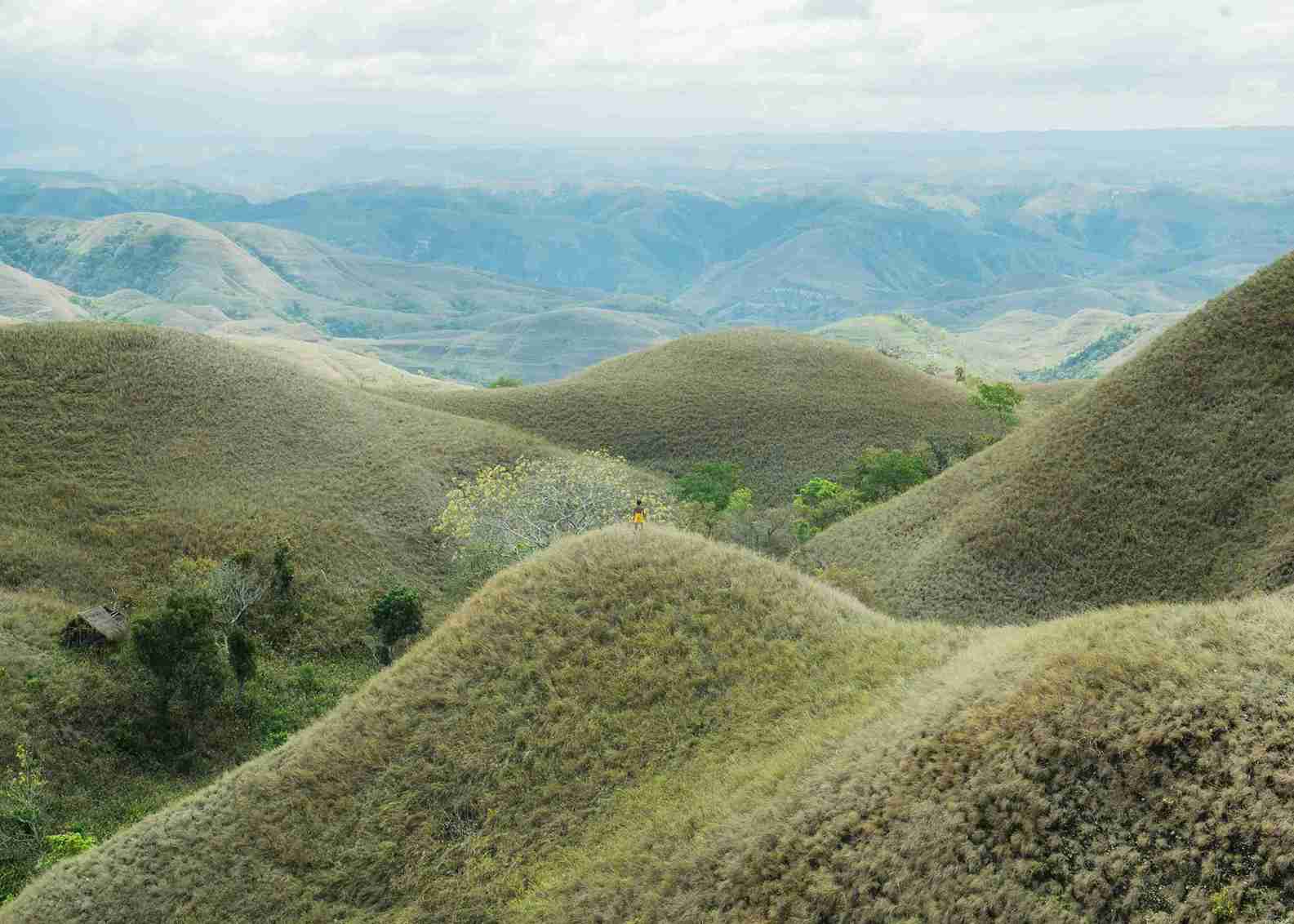
- Optimal weather conditions for outdoor activities.
- Less humidity and minimal rainfall.
- Ideal for exploring waterfalls and traditional villages.
When planning a trip to Sumba Island, East Nusa Tenggara, it is crucial to consider the weather. The island’s climate significantly affects the experience, especially for outdoor activities such as visiting Tanggedu and Lapopu waterfalls, exploring traditional villages, and surfing on the Nihiwatu coast. Understanding the best time to visit Sumba Island can enhance your trip and ensure you make the most of your time.
Understanding Sumba Island’s Climate
Sumba Island has a tropical climate characterized by distinct wet and dry seasons. The wet season typically lasts from November to March, while the dry season spans from April to October. During the wet season, rainfall can be heavy, leading to muddy roads and challenging travel conditions. In contrast, the dry season provides more stable weather, making it the preferred time for visitors.
Dry Season: April to October
The dry season is widely regarded as the best time to visit Sumba Island. During these months, you can expect:
- Minimal Rainfall: Rainfall averages around 60-100mm per month, significantly lower than the wet season.
- Comfortable Temperatures: Average daily temperatures range from 25°C to 32°C (77°F to 89°F), perfect for outdoor activities.
- Clear Skies: With fewer clouds, you can enjoy blue skies ideal for photography and sightseeing.
April to June: Transition to Peak Season
April marks the beginning of the dry season. The weather during these months is generally pleasant, with warm temperatures and low humidity. By June, the weather becomes even more stable, attracting an influx of tourists. Key highlights during this period include:
- Ideal weather for hiking to waterfalls like Tanggedu and Lapopu.
- Great surfing conditions at Nihiwatu Beach, especially for experienced surfers.
- Opportunities to witness traditional ceremonies, which are common as the dry season progresses.
July to October: Peak Season
July to October is considered the peak tourist season on Sumba Island. During these months, the weather is at its best, making it the most popular time for visitors. Here’s what you can expect:
- High Tourist Influx: Expect more crowds at popular attractions and accommodations. Booking in advance is advisable.
- Festivals and Events: This period often coincides with local festivals, providing unique cultural experiences.
- Outdoor Activities: All outdoor activities are best enjoyed during these months, including hiking, surfing, and village tours.
Wet Season: November to March
While the wet season is not ideal for a visit, it has its own advantages. The months between November and March experience increased rainfall, with averages of 150-300mm per month. Some considerations include:
- Lower Prices: Accommodations and tours may be discounted during this time, providing budget-friendly options.
- Fewer Tourists: The island sees fewer visitors, allowing for a more intimate experience at attractions.
- Rich Greenery: The rain transforms the landscape, making it incredibly lush and vibrant.
However, it’s essential to be prepared for sudden downpours and possible travel disruptions due to muddy roads and flooding in some areas.
Best Activities by Season
Understanding seasonal variations can help you tailor your itinerary based on your interests:
- April to June: Perfect for hiking, exploring waterfalls, and cultural immersion in traditional villages. Ideal for those who enjoy moderate tourist traffic.
- July to October: Best for surfing and beach activities, with optimal conditions at Nihiwatu Beach. Great for photography and witnessing local festivals.
- November to March: Suitable for budget travelers and those looking for a quieter experience. Explore the lush countryside and engage with locals during less busy times.
Planning Your Trip to Sumba Island
When planning your trip, consider your interests and the activities you want to prioritize. If you’re keen on surfing, aim for the peak dry months. For adventure seekers interested in hiking and cultural experiences, visiting in late April or early June can be rewarding. Ensure to book a private guide and car to enhance your experience, allowing you to explore remote areas and traditional villages comfortably.
Pricing Considerations
Pricing for trips to Sumba Island varies based on the season. Here are some general guidelines:
- Accommodations: Prices can range from $30 to $300 per night, depending on the type of lodging and the season.
- Private Tours: Expect to pay around $100 to $200 per day for a private guide and car, depending on the itinerary and duration.
- Activity Costs: Entrance fees for attractions like Tanggedu and Lapopu waterfalls can range from $2 to $5 per person.
It is advisable to check specific prices closer to your travel dates and book in advance, especially during peak season.
Optimal Months for Visiting Sumba Island
For those seeking ideal weather conditions on Sumba Island, schedule your trip between April and October. During this dry season, you’ll find perfect opportunities for activities like hiking to stunning waterfalls and catching the legendary surf waves. Engaging with the vibrant local traditions is also more enjoyable with the pleasant climate. Ensure a well-rounded experience by exploring our sumba Private Tour Pricing & Cost Guide.
Need further planning guidance? See our sumba Private Tour Pricing & Cost Guide guide or check what’s included.
Keep Reading
All articles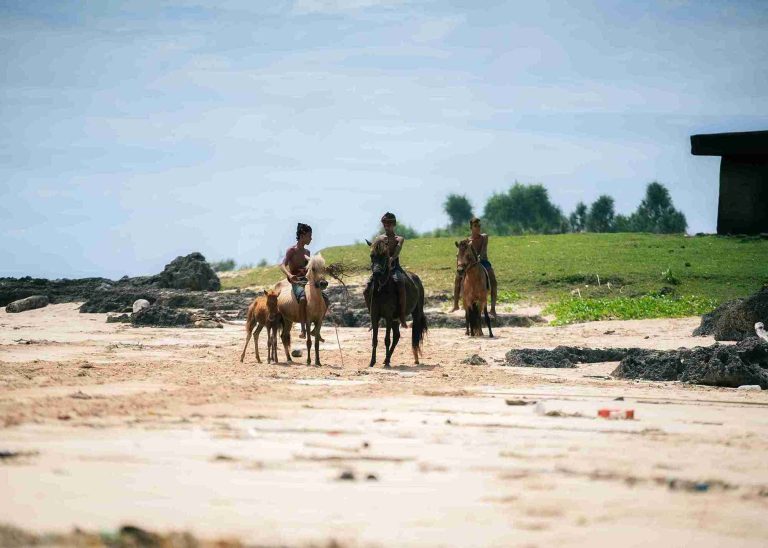
Journal
Guide to Nihiwatu surf coast and nearby beaches in Sumba
Nihiwatu Surf Coast is a premier surfing destination in Sumba, offering consistent waves and beautiful landscapes. Visitors can experience world-class surf, explore nearby beaches,…
4 min read
Read article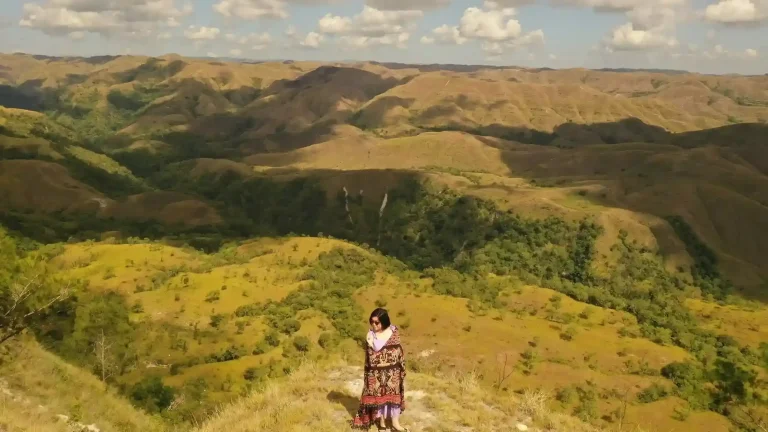
Journal
Visiting ikat weaving villages in Sumba on a private tour
Visiting ikat weaving villages in Sumba on a private tour is an enriching experience. Travelers can explore traditional crafts, interact with local artisans, and…
4 min read
Read article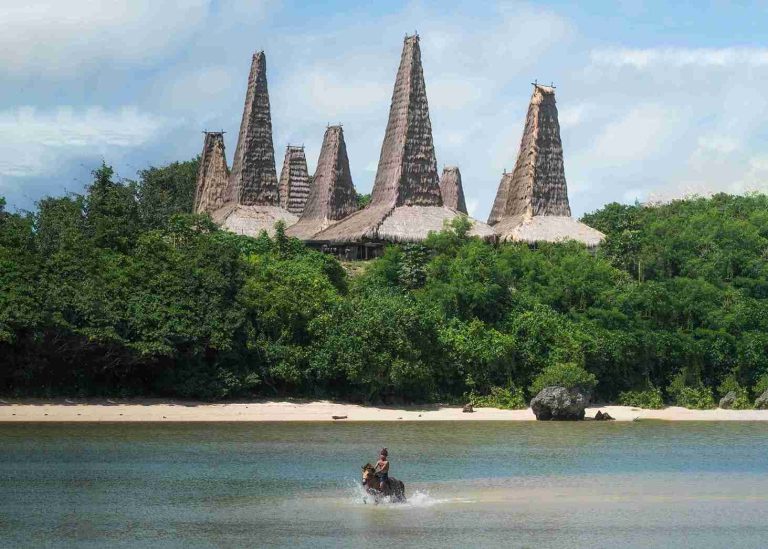
Journal
Understanding Sumba’s Marapu religion and cultural practices
Sumba’s Marapu religion is a vital aspect of local culture, deeply rooted in animism and ancestor worship. This belief system shapes daily life, rituals,…
5 min read
Read article