
Best traditional villages to visit in Sumba and why
5 min read
Introduction
Sumba is known for its vibrant culture and rich traditions, making it a remarkable destination for travelers interested in exploring traditional villages. These villages not only preserve age-old customs but also offer visitors a glimpse into the daily lives of the Sumbanese people. Here, we outline some of the best traditional villages to visit in Sumba and why they should be included in your travel itinerary.
1. Ratenggaro
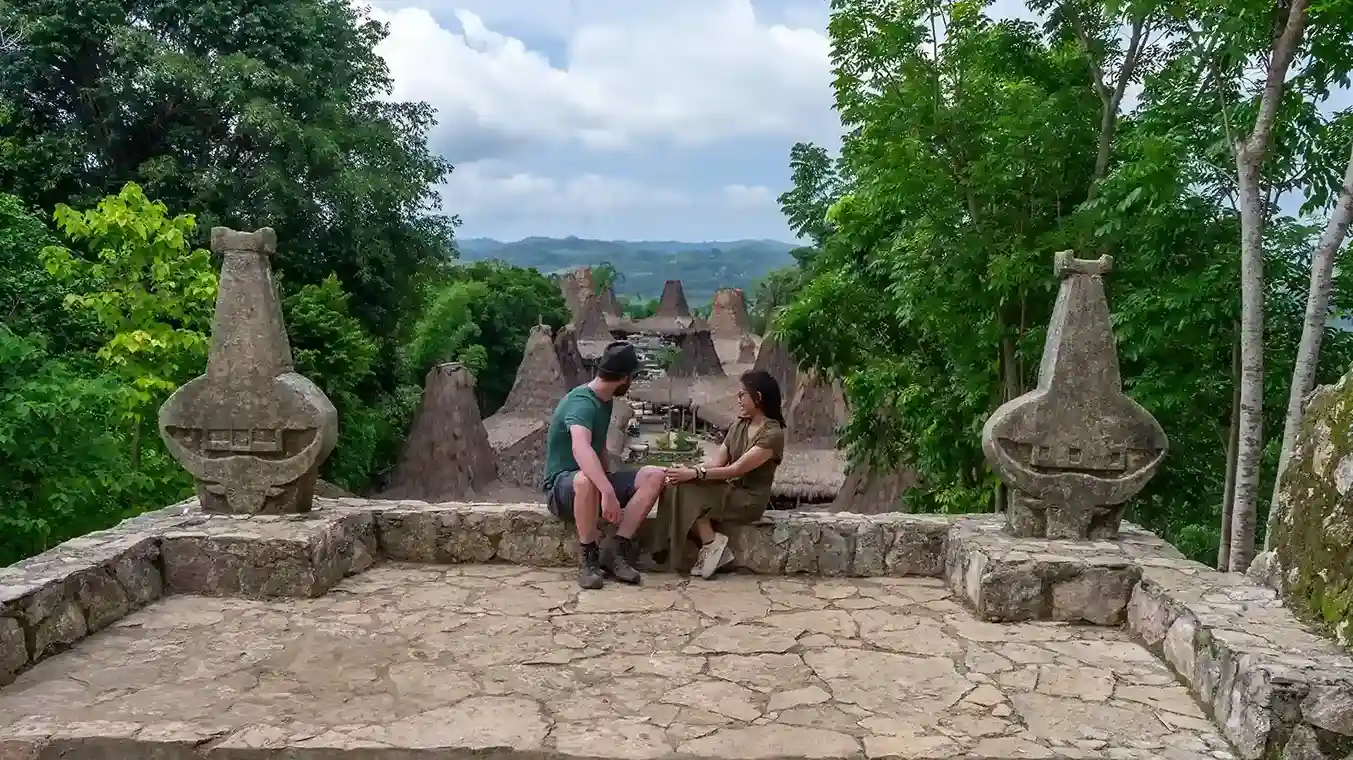
Located on the southwestern coast of Sumba, Ratenggaro is a striking traditional village famous for its distinctive architecture. The village is dotted with traditional Sumbanese houses, known as “Uma,” that are characterized by their towering roofs and intricate carvings.
- Cultural Significance: Ratenggaro is known for its unique cultural practices, including the Marapu belief system, which plays a vital role in the community’s rituals and ceremonies.
- Scenic Beauty: The village is located near a beautiful beach, offering visitors a chance to relax after exploring the local culture.
- Local Crafts: Visitors can witness local artisans at work, creating traditional textiles and handicrafts that reflect Sumba’s rich artistic heritage.
2. Prai Ija
Prai Ija is another must-visit traditional village, known for its well-preserved customs and rituals. This village is situated in the central part of Sumba, making it accessible for travelers.
- Traditional Ceremonies: Prai Ija is famous for its traditional ceremonies, including the Pasola festival, which involves horsemen throwing spears at each other in a ritualistic display that celebrates the harvest.
- Architectural Heritage: The village features traditional houses with unique architectural designs, providing insight into the local building techniques and cultural significance.
- Community Engagement: Visitors have the opportunity to interact with locals, learning about their customs and daily life, which fosters a deeper understanding of Sumbanese culture.
3. Waingapu
As the capital of East Sumba, Waingapu is not only a hub for economic activities but also a center for traditional culture. The village is known for its vibrant markets and local craftsmanship.
- Market Experience: Waingapu’s market is a lively place where visitors can find traditional textiles, handicrafts, and local produce, making it a great spot for souvenir shopping.
- Cultural Heritage: The village offers several traditional ceremonies throughout the year, allowing visitors to witness the rich cultural mosaic of the Sumbanese people.
- Accessibility: Being a central location, Waingapu serves as a great base for exploring nearby attractions, including the Nihiwatu surf coast and striking waterfalls.
4. Tarung
Tarung is a village that exemplifies the traditional lifestyle of Sumba. Located in the East Sumba region, it offers visitors a more authentic experience of local culture.
- Unique Architecture: The traditional houses in Tarung are built from bamboo and thatch, showcasing the village’s commitment to maintaining traditional building practices.
- Community Life: The village is known for its strong sense of community, where traditional social structures are still observed, making it a fascinating place to learn about local governance and family dynamics.
- Natural Surroundings: Tarung is surrounded by lush landscapes, providing opportunities for outdoor activities such as hiking and photography.
5. Hambapraing
Hambapraing is a lesser-known village that offers a glimpse into Sumba’s rich cultural heritage. Located in the western part of the island, it is ideal for those looking to escape the tourist crowds.
- Traditional Weaving: The village is renowned for its traditional weaving techniques, and visitors can observe skilled artisans creating beautiful fabrics using natural dyes.
- Cultural Practices: Hambapraing is home to several traditional rituals, which visitors can witness, providing insight into the spiritual beliefs of the Sumbanese community.
- Authentic Experience: The village offers a more intimate experience with local families, allowing travelers to engage in daily activities and traditional cooking.
Visiting Sumba: Practical Information
When planning your trip to Sumba, consider the following practical information to enhance your experience:
- Best Season: The best time to visit Sumba is during the dry season from April to October, when the weather is more favorable for outdoor activities and village visits.
- Pricing: Private guided trips typically range from $100 to $200 per day, depending on the itinerary, number of travelers, and included services.
- Transportation: A private guide and car can be arranged to facilitate travel between villages and attractions, ensuring a smooth and enjoyable experience.
Key Takeaways
Visiting the traditional villages of Sumba provides an enriching experience that goes beyond typical tourist attractions. Each village offers a unique perspective on Sumbanese culture, from their architectural styles to their traditional practices. By including Ratenggaro, Prai Ija, Waingapu, Tarung, and Hambapraing in your itinerary, you can gain a deeper appreciation for the island’s heritage. For more detailed information on planning your visit, compare packages to find the perfect fit for your travel needs.
Planning specifics? See see current rates or check availability.
Keep Reading
All articles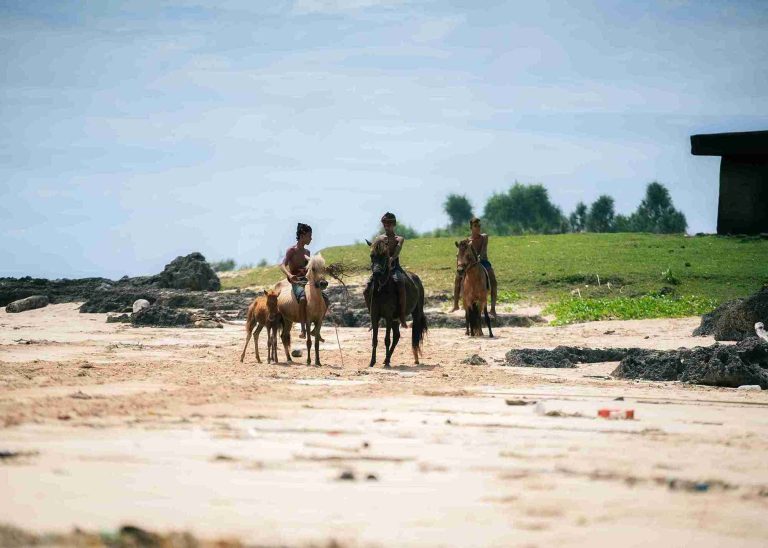
Journal
Guide to Nihiwatu surf coast and nearby beaches in Sumba
Nihiwatu Surf Coast is a premier surfing destination in Sumba, offering consistent waves and beautiful landscapes. Visitors can experience world-class surf, explore nearby beaches,…
4 min read
Read article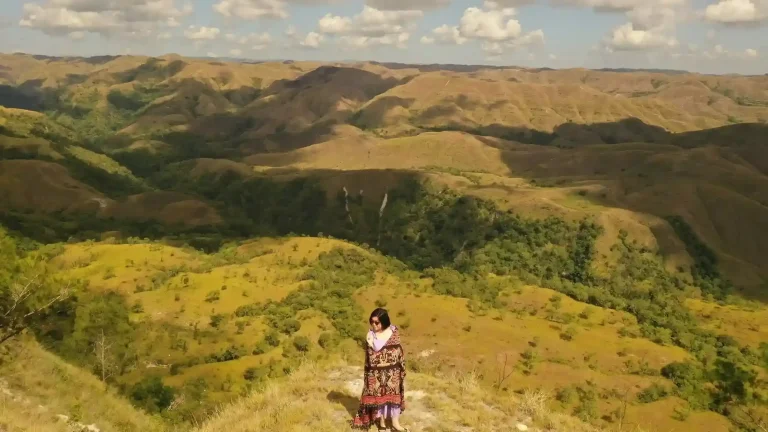
Journal
Visiting ikat weaving villages in Sumba on a private tour
Visiting ikat weaving villages in Sumba on a private tour is an enriching experience. Travelers can explore traditional crafts, interact with local artisans, and…
4 min read
Read article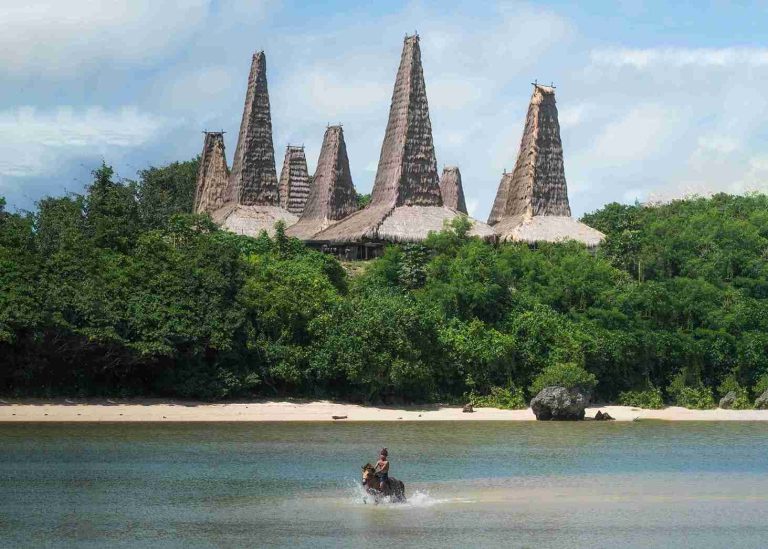
Journal
Understanding Sumba’s Marapu religion and cultural practices
Sumba’s Marapu religion is a vital aspect of local culture, deeply rooted in animism and ancestor worship. This belief system shapes daily life, rituals,…
5 min read
Read article