
Understanding Sumba’s Marapu religion and cultural practices
5 min read
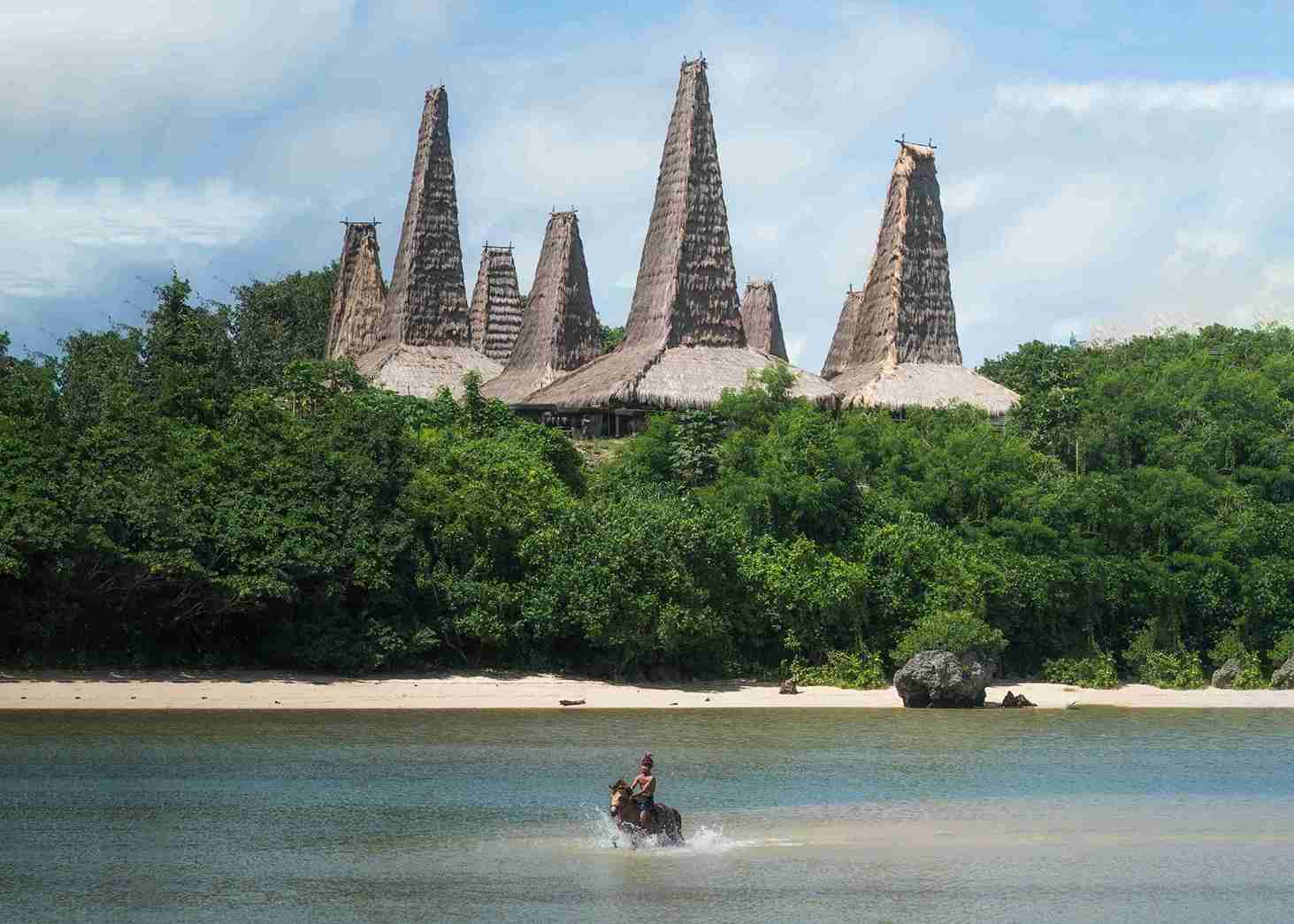
– Marapu centers on the veneration of ancestors and nature.
– Rituals often involve offerings and ceremonies at sacred sites.
– Understanding Marapu enhances the experience of visiting Sumba.
Introduction to Sumba and Marapu Religion
Sumba Island, part of East Nusa Tenggara, Indonesia, is known for its rich cultural heritage and unique traditions. One of the most significant aspects of Sumbanese culture is the Marapu religion, an ancient belief system that influences many facets of daily life on the island. Understanding this religion provides valuable insight into the local way of life, rituals, and social structures.
What is Marapu Religion?
Marapu is an indigenous belief system that blends animism and ancestor worship. It revolves around the veneration of the Marapu spirits, which are believed to inhabit the landscape, including mountains, rivers, and trees. These spirits are considered intermediaries between the living and the ancestors, playing a crucial role in the spiritual and social lives of the Sumbanese people.
Core Beliefs
The core beliefs of Marapu include:
- Spirit Worship: The Marapu spirits are central to the religion, believed to protect and guide the community.
- Ancestor Veneration: Ancestors are honored and remembered through rituals and offerings.
- Natural Elements: Nature is sacred, and many natural features are considered to be the dwelling places of spirits.
Cultural Practices and Rituals
Marapu is not just a belief system; it is intricately woven into the daily lives of the Sumbanese people. Key cultural practices and rituals include:
Ritual Offerings
Offerings are made to the Marapu spirits and ancestors during various ceremonies. These offerings can include rice, livestock, and other items considered valuable. The act of giving is believed to ensure protection, blessings, and prosperity for the community.
Funerary Rites
Death is viewed as a significant transition, and funerary rites are elaborate ceremonies that can last several days. The Sumbanese believe that the spirit of the deceased must be honored to ensure a peaceful journey to the afterlife. These rites often involve traditional music, dance, and the sacrifice of animals, particularly buffalo, reflecting the deceased’s status in society.
Harvest Festivals
The Sumbanese celebrate various harvest festivals to express gratitude to the Marapu spirits for a bountiful harvest. These festivals typically involve feasting, music, and dance, fostering community spirit and reinforcing social bonds.
Marapu in Daily Life
The influence of Marapu extends into the daily lives of the Sumbanese. Many families maintain a small altar in their homes, where they perform daily prayers and offerings to the Marapu spirits. Decisions regarding farming, marriage, and other significant life events are often guided by spiritual consultations with local leaders or shamans.
Marapu and Traditional Villages
Visiting traditional Sumbanese villages provides an authentic insight into Marapu practices. Here are some notable villages:
- Ratenggaro: Known for its traditional houses and striking coastal views, Ratenggaro is a great place to witness local rituals.
- Praijing: This village showcases traditional thatched-roof homes and hosts regular ceremonies honoring Marapu spirits.
- Watu Malang: Visitors can learn about local customs and witness traditional rituals that are integral to the community.
Legal Status and Cultural Preservation
Marapu is legally recognized and protected within Indonesia as part of the country’s cultural heritage. The government acknowledges the importance of preserving indigenous beliefs and practices. Efforts are being made to document and support the continuation of Marapu rituals, despite the influence of modern religions like Christianity and Islam.
Visiting Sumba: Practical Information
For those interested in exploring Sumba and its rich cultural heritage, understanding the best times to visit and how to navigate the island is essential.
Best Season to Visit
The ideal time to visit Sumba is during the dry season, which typically runs from April to October. This period offers pleasant weather, making it perfect for outdoor activities such as visiting waterfalls and traditional villages.
Pricing and Guided Trips
Private guided trips across Sumba Island can vary in price depending on the itinerary and services included. Here’s a rough breakdown of costs:
- Private Guide: Approximately $50 – $100 per day, depending on experience and services.
- Car Rental: Around $30 – $60 per day, including fuel.
- Itinerary Packages: Custom packages typically range from $300 – $800 for a multi-day experience.
It is advisable to book your private guided trip in advance, especially during peak season, to secure accommodation and guides.
Essential Locations
When visiting Sumba, several locations stand out for their cultural and natural significance:
- Tanggedu Waterfall: A striking waterfall that offers a refreshing escape and a chance to appreciate the island’s natural beauty.
- Lapopu Waterfall: Known for its picturesque setting and crystal-clear waters, perfect for a day of exploration.
- Nihiwatu Surf Coast: Renowned globally for surfing, this area also serves as a cultural hub, attracting visitors interested in Sumba’s traditions.
Embracing Marapu Practices in Sumba
Engaging with Sumba’s Marapu religion offers travelers a chance to connect with the island’s spiritual core. As you encounter sacred rituals and age-old traditions, you’ll see firsthand how these practices shape the community’s daily life. For detailed travel advice, explore our Sumba Private Trip resource.
Curious about organizing your visit? Consider our Sumba Private Trip guide or book Sumba Private Tour | Sumba Private Trip for a seamless cultural journey.
Keep Reading
All articles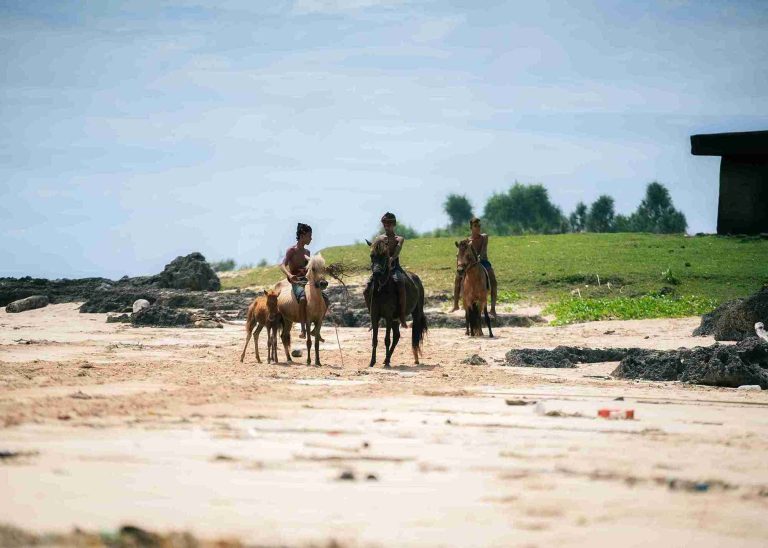
Journal
Guide to Nihiwatu surf coast and nearby beaches in Sumba
Nihiwatu Surf Coast is a premier surfing destination in Sumba, offering consistent waves and beautiful landscapes. Visitors can experience world-class surf, explore nearby beaches,…
4 min read
Read article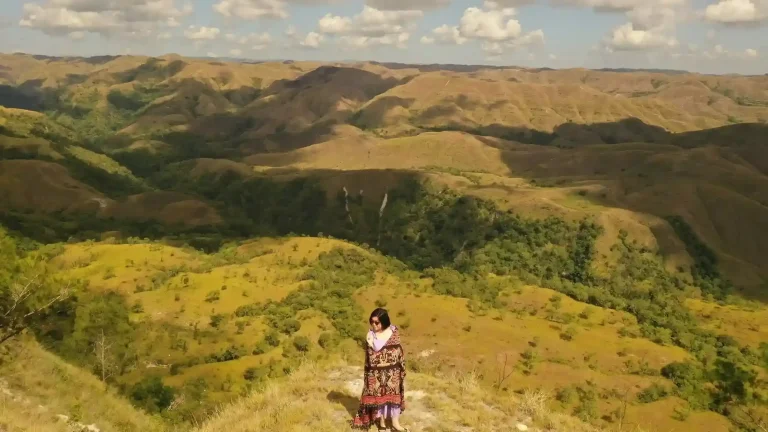
Journal
Visiting ikat weaving villages in Sumba on a private tour
Visiting ikat weaving villages in Sumba on a private tour is an enriching experience. Travelers can explore traditional crafts, interact with local artisans, and…
4 min read
Read article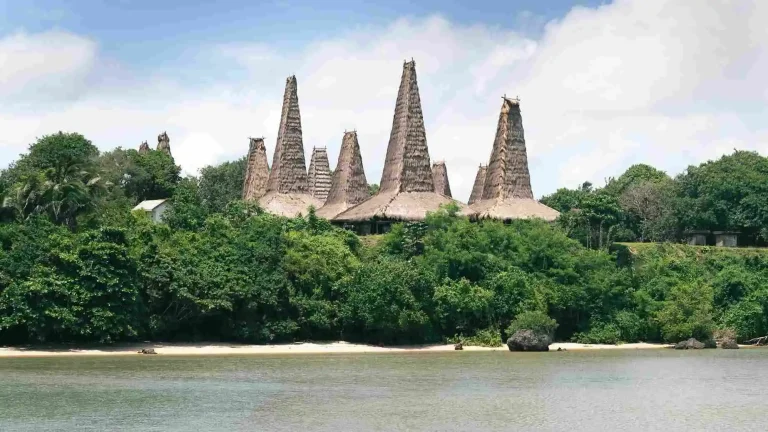
Journal
The story behind Sumba’s megalithic tombs and rituals
Sumba’s megalithic tombs reflect the island’s rich cultural heritage and spiritual beliefs. These ancient structures serve as significant historical landmarks, offering insights into the…
5 min read
Read article