
Guide to Sumba’s traditional villages and local culture
6 min read
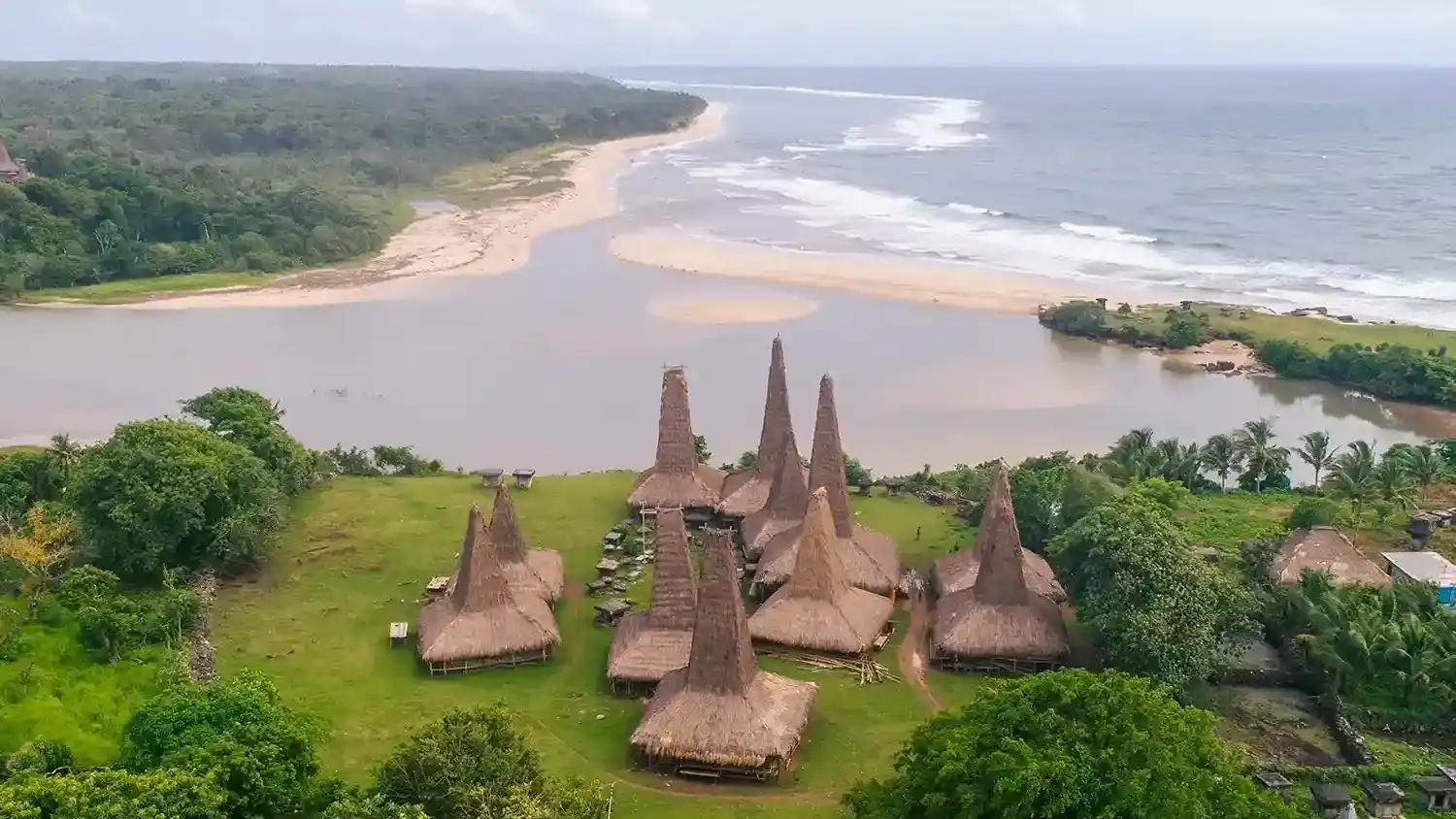
- Access to authentic cultural experiences in villages like Ratenggaro and Prai Ijing.
- Guided tours to waterfalls and surf spots with local insights.
- Flexible itineraries tailored to interests and timing.
Introduction to Sumba’s Traditional Villages
Sumba Island, part of Indonesia’s East Nusa Tenggara province, is known for its unique culture and traditions. The island is home to several traditional villages that provide a window into the rich heritage of the Sumbanese people. These villages are characterized by their distinct architecture, customs, and ceremonies that have been preserved over centuries. This guide will explore the key villages, cultural practices, and what visitors can expect when exploring Sumba’s traditional lifestyle.
Key Traditional Villages
Visiting Sumba’s traditional villages allows travelers to connect with the island’s culture and history. Here are some notable villages to consider:
Ratenggaro Village
Ratenggaro is located on the southern coast and is famous for its traditional houses and megalithic tombs. The village offers striking views of the coastline and is a great starting point for cultural tours. Visitors can witness traditional rituals and local weaving techniques.
Prai Ijing Village
Known for its impressive collection of traditional houses, Prai Ijing is famous for its intricate ikat textiles. The village is often lively with cultural events and ceremonies, making it a great spot for visitors to experience local traditions firsthand.
Waikelo Village
Waikelo is a lesser-known village that provides a more intimate experience of Sumbanese culture. Here, visitors can engage with locals and learn about their agricultural practices and daily lives. The village is also known for its unique stone tombs.
Cultural Highlights
Exploring Sumba’s traditional villages reveals various cultural practices, including traditional ceremonies, weaving, and architecture.
Traditional Weaving
Weaving is a significant aspect of Sumbanese culture. The ikat textiles produced in the villages are highly regarded for their quality and designs. Many villages, such as Prai Ijing, offer workshops where visitors can learn about the weaving process and even try their hand at it.
Cultural Ceremonies
Ceremonies play a vital role in Sumbanese life. Events such as the Pasola festival, held between February and March, are crucial for the agricultural calendar and involve traditional horse fights. Visitors can witness these ceremonies, often accompanied by traditional music and dance.
Architecture
The traditional houses of Sumba are notable for their towering roofs and unique designs. Constructed using local materials, these structures are often built on raised platforms. Each house typically serves as a family unit and is an essential part of the village’s social structure.
Visiting the Waterfalls
In addition to the villages, Sumba is home to striking natural attractions, including Tanggedu and Lapopu waterfalls. These sites are often included in guided tours and provide a perfect complement to the cultural experience.
Tanggedu Waterfall
Tanggedu Waterfall is located in the East Sumba region and is known for its clear blue waters and picturesque surroundings. Visitors can enjoy swimming in the natural pools and exploring the lush landscapes nearby. The best time to visit is during the dry season, from April to October.
Lapopu Waterfall
Lapopu Waterfall is situated in the western part of Sumba and is accessible via a short trek. The waterfall cascades down from a height of approximately 90 meters, creating a striking sight. Like Tanggedu, Lapopu is best visited during the dry season, offering a refreshing escape from the heat.
Local Cuisine
Experiencing local cuisine is an essential part of any visit to Sumba. Traditional dishes often feature rice, cassava, and fresh vegetables, with an emphasis on local ingredients.
Traditional Dishes
– Kuku: A popular dish made from cassava and often served with grilled fish.
– Babi Kulu: A traditional pork dish that is typically prepared for special occasions.
– Sambal: A spicy condiment made from chili peppers, often accompanying meals.
Visitors can enjoy these dishes in local eateries or during village ceremonies, where traditional foods are often prepared and shared.
Best Season to Visit
The best time to explore Sumba’s traditional villages is during the dry season, which runs from April to October. During this period, the weather is generally sunny and dry, making it ideal for outdoor activities and cultural exploration.
Weather Overview
– Dry Season: April to October (average temperature: 24-30°C)
– Wet Season: November to March (average temperature: 23-28°C)
Travelers should keep in mind that the wet season can bring heavy rains, making some rural areas less accessible.
Getting Around Sumba
To fully experience Sumba’s traditional villages and attractions, hiring a private guide and car is highly recommended. This allows for greater flexibility in your itinerary and ensures you have local insights into the culture and practices of the Sumbanese people.
Pricing for Private Tours
– Private Guide: Approximately $50-$70 per day, depending on experience and itinerary.
– Car Rental: Ranges from $30-$50 per day, excluding fuel.
– Day Tours: Full-day tours typically cost between $100-$150, including a guide, transport, and meals.
For an organized experience, consider booking through professional services such as Sumba Private Trip, which offers tailored itineraries for exploring the island’s rich cultural heritage.
Planning Your Cultural Journey Through Sumba
For a truly immersive experience in Sumba’s cultural and traditional offerings, consider organizing your visit to coincide with local festivals or ceremonies. Engaging a private guide can enhance your understanding of the island’s unique customs and provide in-depth knowledge about the local way of life. To make the most of your trip, plan your travels during the dry season to comfortably explore Sumba’s traditional villages and its breathtaking natural sites like Tanggedu and Lapopu waterfalls. For more planning details, check out Sumba Private Trip or Sumba Private Trip.
Keep Reading
All articles
Journal
Guide to Nihiwatu surf coast and nearby beaches in Sumba
Nihiwatu Surf Coast is a premier surfing destination in Sumba, offering consistent waves and beautiful landscapes. Visitors can experience world-class surf, explore nearby beaches,…
4 min read
Read article
Journal
Visiting ikat weaving villages in Sumba on a private tour
Visiting ikat weaving villages in Sumba on a private tour is an enriching experience. Travelers can explore traditional crafts, interact with local artisans, and…
4 min read
Read article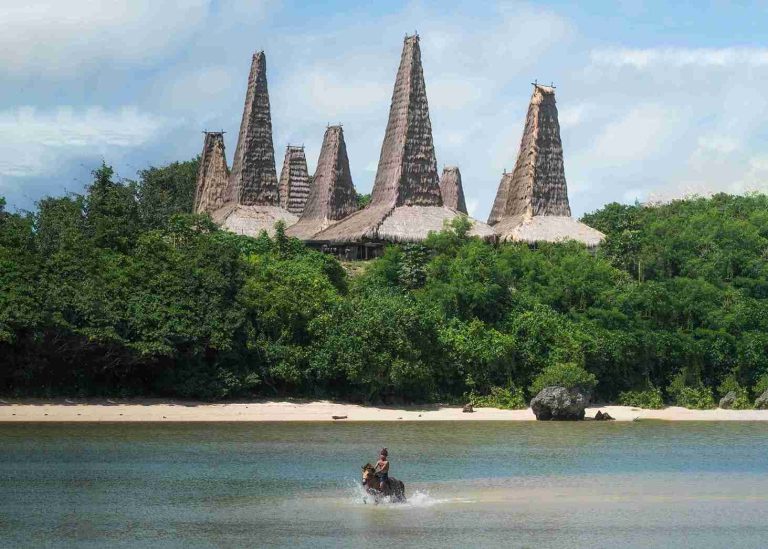
Journal
Understanding Sumba’s Marapu religion and cultural practices
Sumba’s Marapu religion is a vital aspect of local culture, deeply rooted in animism and ancestor worship. This belief system shapes daily life, rituals,…
5 min read
Read article