
Dry season vs rainy season in Sumba: which is better for travel
5 min read
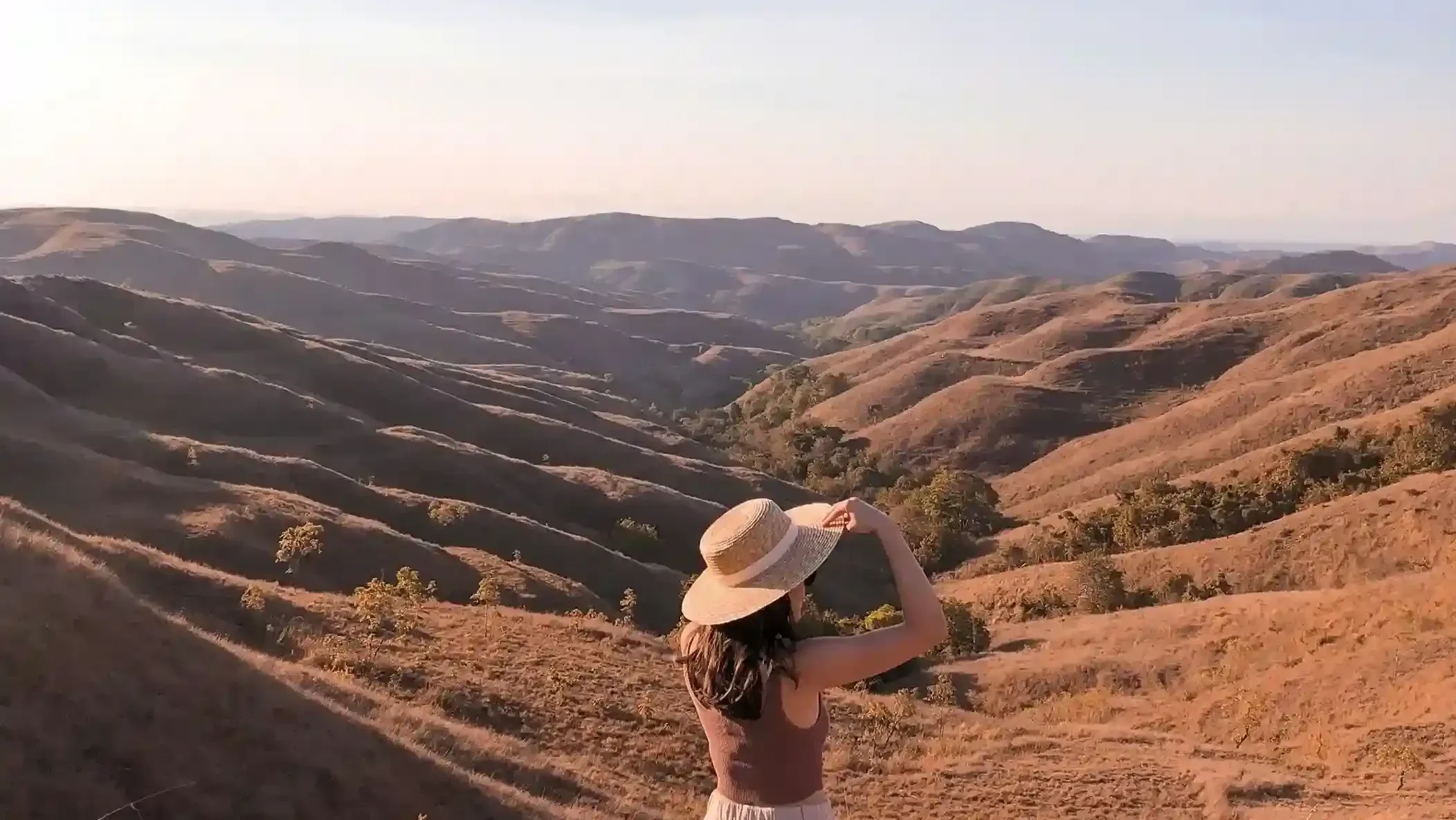
- Dry Season: Optimal for beach activities and hiking.
- Rainy Season: Fewer crowds and vibrant scenery.
- Travel Consideration: Accessibility to sites may vary.
Introduction
Sumba Island, part of Indonesia’s East Nusa Tenggara province, is known for its rich culture, striking landscapes, and unique traditions. Travelers often wonder whether to visit during the dry season or the rainy season. Each season presents its own advantages and challenges, impacting activities, accessibility, and overall experience. This guide will help you decide which season aligns better with your travel goals.
Understanding Sumba’s Seasons
Sumba experiences two primary seasons: the dry season and the rainy season.
Dry Season: April to October
The dry season in Sumba spans from April to October, characterized by minimal rainfall and plenty of sunshine. This is the peak travel season for many visitors.
- Weather: Average temperatures range from 25°C to 33°C (77°F to 91°F). Rainfall is minimal, making it ideal for outdoor activities.
- Activities: Popular activities include visiting Tanggedu and Lapopu waterfalls, exploring traditional villages, and surfing along the Nihiwatu coast.
- Travel Conditions: Roads are generally in better condition, and accessibility to remote areas is improved, allowing for a more enjoyable travel experience.
Advantages of the Dry Season
Traveling during the dry season offers several advantages:
- Outdoor Activities: The sunny weather is perfect for outdoor excursions such as hiking, swimming, and surfing.
- Events and Festivals: Cultural events, such as harvest festivals, often occur during this time, providing insights into local traditions.
- Wildlife Viewing: Wildlife is more active, making it easier to spot various species during hikes or drives.
Rainy Season: November to March
The rainy season in Sumba lasts from November to March, bringing heavier rainfall and a different travel experience.
- Weather: Temperatures remain warm, around 24°C to 32°C (75°F to 90°F), but rainfall can be significant, especially in December and January.
- Activities: Some outdoor activities may be limited due to rain, but the waterfalls are at their most powerful, and landscapes are lush and green.
- Travel Conditions: Roads may become muddy and difficult to navigate, affecting access to certain areas.
Advantages of the Rainy Season
Despite the challenges posed by rain, traveling during this season has its benefits:
- Fewer Tourists: The rainy season sees fewer visitors, allowing for a more intimate experience with the local culture and environment.
- Lush Landscapes: The rain transforms the island’s scenery, making it vibrant and lush — a great time for photography.
- Experience Local Life: With fewer tourists around, you may have the opportunity to engage more deeply with local communities and their traditions.
Comparing the Two Seasons
When deciding between the dry season and the rainy season in Sumba, consider the following comparisons:
Accessibility
– Dry Season: Roads are generally dry and well-maintained, making it easier to access sites like Tanggedu and Lapopu waterfalls and other attractions.
– Rainy Season: Some roads may become impassable, especially in rural areas, limiting access to certain remote villages and attractions.
Accommodations
– Dry Season: Hotels and accommodations may be fully booked, and prices can be higher due to increased demand.
– Rainy Season: Lower occupancy means better chances for discounts and promotions, but some accommodations may close for renovations.
Cost Considerations
Traveling in the rainy season often results in lower travel costs. Here’s a quick overview of potential expenses in both seasons:
- Dry Season: Prices for accommodations can range from $50 to over $200 per night, depending on the location and amenities.
- Rainy Season: You may find accommodations for as low as $30 to $150 per night, with potential discounts for longer stays.
Key Activities in Each Season
Certain activities are best suited for each season, influencing your travel experience.
Activities in the Dry Season
– Surfing at Nihiwatu: The dry season offers consistent waves, attracting surfers from around the world.
– Hiking to Waterfalls: Trails to Tanggedu and Lapopu waterfalls are more accessible, allowing for enjoyable hikes.
– Cultural Tours: Engage with traditional villages and experience local rituals and festivals.
Activities in the Rainy Season
– Photography: Capture the vibrant greenery and powerful waterfalls during and after rainfall.
– Cultural Immersion: With fewer tourists, you can engage more deeply with local communities and traditions.
– Wildlife Watching: The rain can make wildlife more active, offering unique viewing opportunities.
Seasonal Highlights for Planning Your Sumba Adventure
Traveling to Sumba during the dry season means enjoying clear skies and perfect conditions for exploring the island’s outdoor wonders. Activities such as trekking through the rugged landscapes or attending local festivals are best experienced during this time. Meanwhile, the rainy season transforms the island into a verdant paradise, offering a quieter atmosphere perfect for those seeking solitude and deeper cultural connections. For a detailed breakdown of what each season offers, explore our check what’s included guide.
Whether you prefer the lively ambiance of peak season or the serene charm of the off-peak months, your journey to Sumba can be customized to your preferences. Discover specific itineraries and pricing options on our sumba Private Tour Pricing & Cost Guide or gain insights into managing expenses with our Sumba Private Trip resource.
Keep Reading
All articles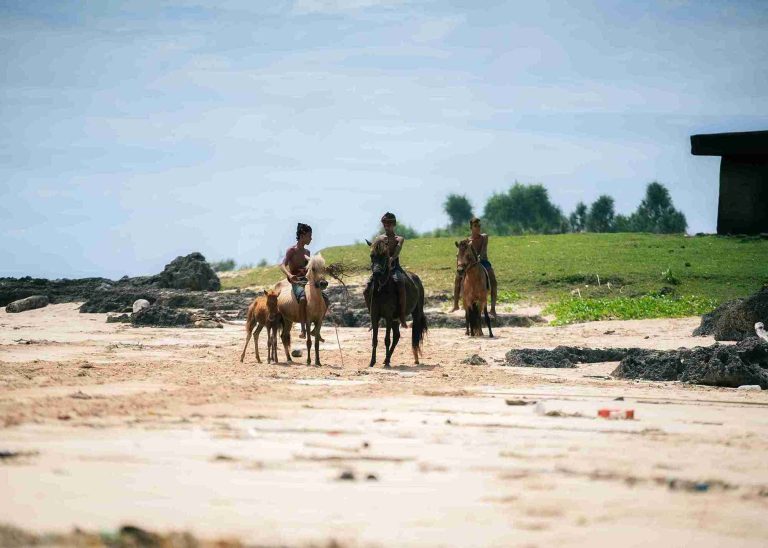
Journal
Guide to Nihiwatu surf coast and nearby beaches in Sumba
Nihiwatu Surf Coast is a premier surfing destination in Sumba, offering consistent waves and beautiful landscapes. Visitors can experience world-class surf, explore nearby beaches,…
4 min read
Read article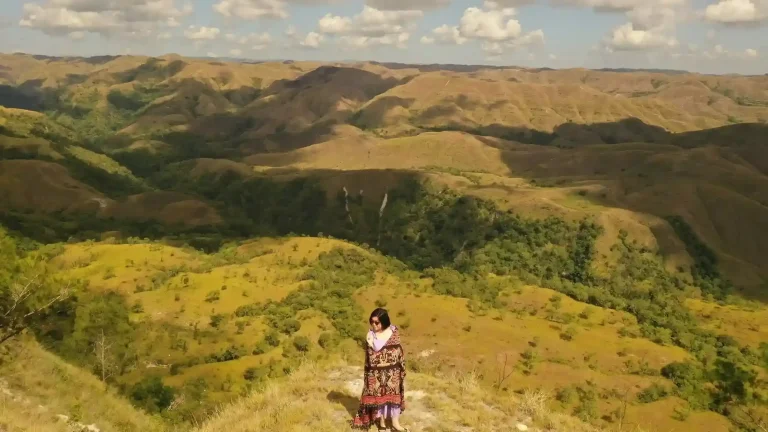
Journal
Visiting ikat weaving villages in Sumba on a private tour
Visiting ikat weaving villages in Sumba on a private tour is an enriching experience. Travelers can explore traditional crafts, interact with local artisans, and…
4 min read
Read article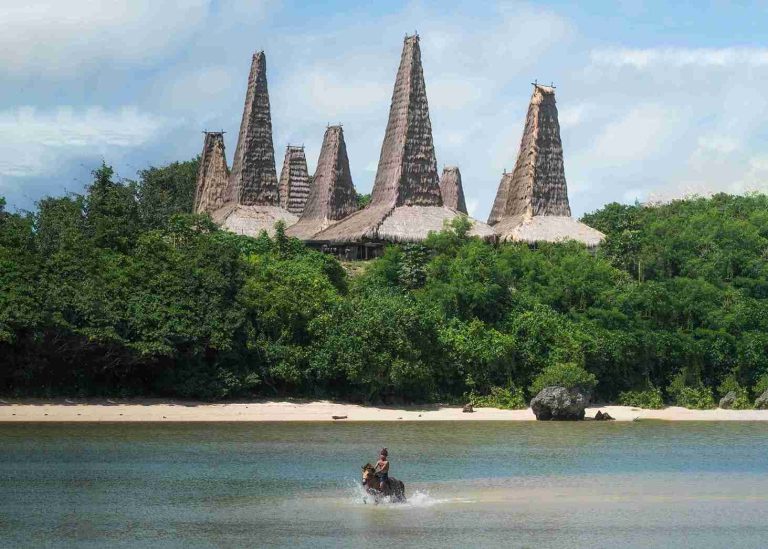
Journal
Understanding Sumba’s Marapu religion and cultural practices
Sumba’s Marapu religion is a vital aspect of local culture, deeply rooted in animism and ancestor worship. This belief system shapes daily life, rituals,…
5 min read
Read article