
The story behind Sumba’s megalithic tombs and rituals
5 min read
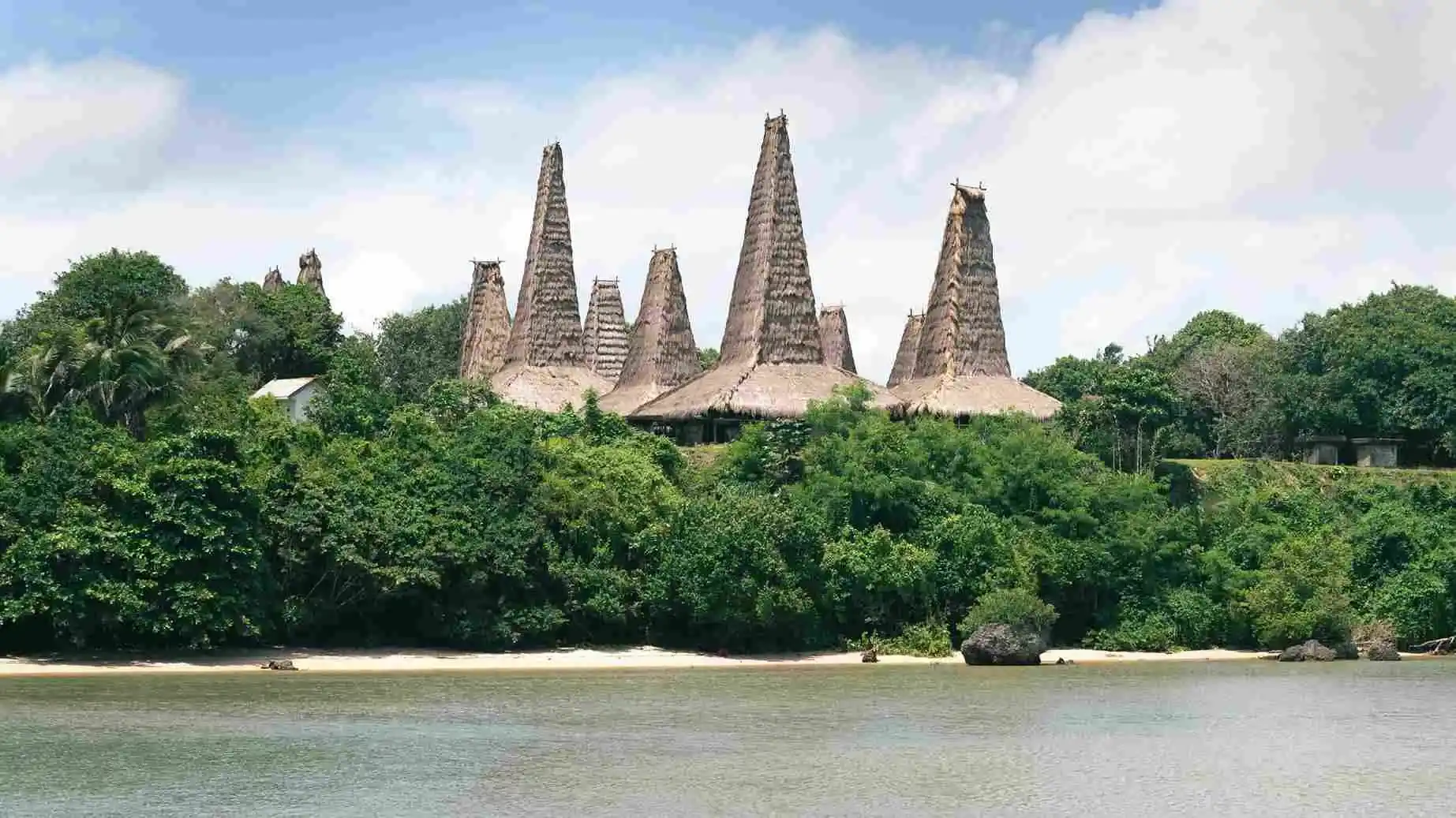
- Significant for burial practices
- Crafted from local stone
- Dating back centuries, reflecting ancestral worship
Introduction to Sumba’s Megalithic Tombs
Sumba Island, part of Indonesia’s East Nusa Tenggara province, is renowned for its striking landscapes, traditional villages, and unique cultural heritage. Among its most intriguing features are the megalithic tombs, monumental structures that illustrate the island’s ancient customs and beliefs surrounding death and the afterlife. These tombs, often adorned with intricate carvings and symbols, serve both as burial sites and as the Sumbanese people’s enduring connection to their ancestors.
The Historical Context of Megalithic Tombs
Megalithic tombs in Sumba date back to several centuries, with some estimates suggesting their origins may lie as far back as the 12th century. The construction of these tombs was not merely a practical endeavor; it was deeply rooted in the spiritual and social fabric of Sumbanese society. The process of building a tomb often involved considerable resources and labor, indicating the deceased’s status within the community.
Cultural Significance
The megalithic tombs are primarily linked to the ancestral worship practices of the Sumbanese people. They believed that the spirits of the deceased could influence the living, providing guidance and protection. The tombs serve as a focal point for rituals designed to honor these spirits.
Construction Techniques
Crafted from locally sourced stone, the tombs exhibit impressive architectural craftsmanship. The stones are often carved with symbols that reflect the social status of the individual buried within. Construction techniques varied, but the use of large, unshaped stones, as well as intricately carved elements, showcase the skill and artistry of the builders.
Rituals Associated with the Tombs
The rituals surrounding the megalithic tombs are elaborate and deeply significant to the Sumbanese culture. These rituals are often tied to the concept of *ma’bulu*, which refers to the practice of honoring the dead.
Funeral Rites
Funeral rites in Sumba are elaborate events that can span several days. They typically involve a series of rituals designed to ensure the safe passage of the deceased to the afterlife. It is common for families to host large gatherings, inviting members from surrounding villages to pay their respects.
Buffalo Sacrifices
One of the most notable aspects of Sumbanese funeral rites is the practice of buffalo sacrifices. Families often sacrifice several buffaloes, which are seen as a way to honor the deceased and provide them with sustenance in the afterlife. The number of buffalo sacrificed can vary, often reflecting the wealth and status of the family.
Commemoration Ceremonies
After the burial, families may hold commemoration ceremonies at the tomb site, which can occur annually or at significant milestones. These events often include offerings, prayers, and additional sacrifices, reinforcing the connection between the living and the deceased.
Locations of Notable Megalithic Tombs
Visitors to Sumba can find numerous megalithic tombs scattered across the island. Some notable sites include:
- Waikabubak: The capital of West Sumba, home to several ancient tombs and traditional villages.
- East Sumba: Features unique tombs and burial sites, reflecting various cultural influences.
- Lauli: Known for its impressive stone graves and intricate carvings.
These locations not only provide insight into Sumbanese culture but also offer a glimpse into the island’s natural beauty, making them worthwhile stops during a guided tour.
Planning Your Visit to Sumba’s Megalithic Tombs
For those interested in exploring Sumba’s megalithic tombs and experiencing the rich cultural rituals firsthand, planning is essential. Here are key factors to consider:
Best Season to Visit
The ideal time to visit Sumba is during the dry season, which typically runs from April to October. During this period, the weather is conducive for travel, allowing visitors to explore the island and participate in local ceremonies without the hindrance of heavy rain.
Private Guided Tours
To fully appreciate the historical significance of the megalithic tombs, consider engaging a private guide. Experienced guides can offer valuable insights into the customs and stories behind the tombs, enhancing your understanding of Sumba’s cultural landscape.
Pricing and Itineraries
Pricing for private guided tours can vary based on the itinerary and inclusions, typically ranging from $100 to $300 per day. Customizable itineraries can include visits to the megalithic tombs, traditional villages, and natural attractions such as the Tanggedu and Lapopu waterfalls. For detailed information on pricing and available tours, you can check availability.
Legal Considerations
While visiting Sumba, it is essential to respect local customs and practices, especially regarding funerals and rituals. Many of these ceremonies are sacred, and tourists should seek permission before attending. This respect for local traditions helps maintain the cultural integrity of the island while allowing visitors to engage with the Sumbanese way of life meaningfully.
Key Takeaways
The megalithic tombs of Sumba are more than just ancient structures; they embody the history, beliefs, and enduring traditions of the Sumbanese people. From the intricate craftsmanship of the tombs to the elaborate rituals that honor the deceased, these sites offer a profound insight into a culture that continues to thrive in modern Indonesia.
Whether you are drawn to Sumba for its rich history, striking landscapes, or vibrant cultural practices, the megalithic tombs provide an essential link to the island’s past and present. Plan your visit to explore these remarkable sites, and settle in in the unique traditions that define Sumba Island.
Planning specifics? See Sumba Private Trip or check availability.
Keep Reading
All articles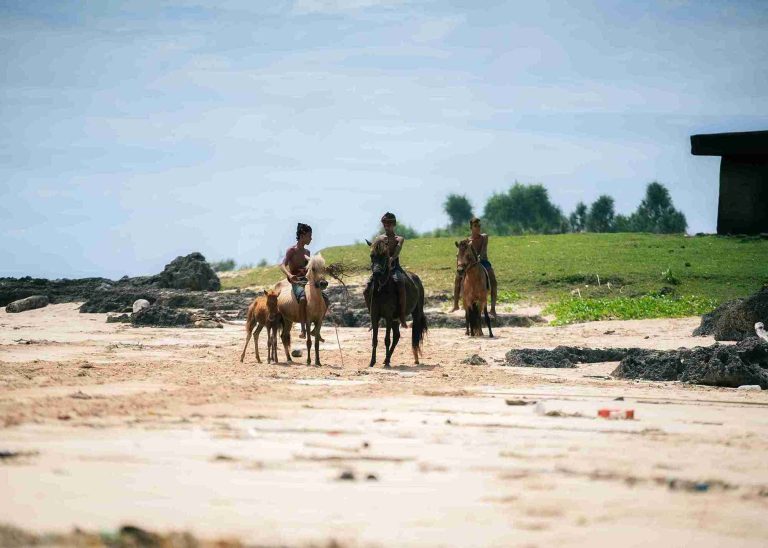
Journal
Guide to Nihiwatu surf coast and nearby beaches in Sumba
Nihiwatu Surf Coast is a premier surfing destination in Sumba, offering consistent waves and beautiful landscapes. Visitors can experience world-class surf, explore nearby beaches,…
4 min read
Read article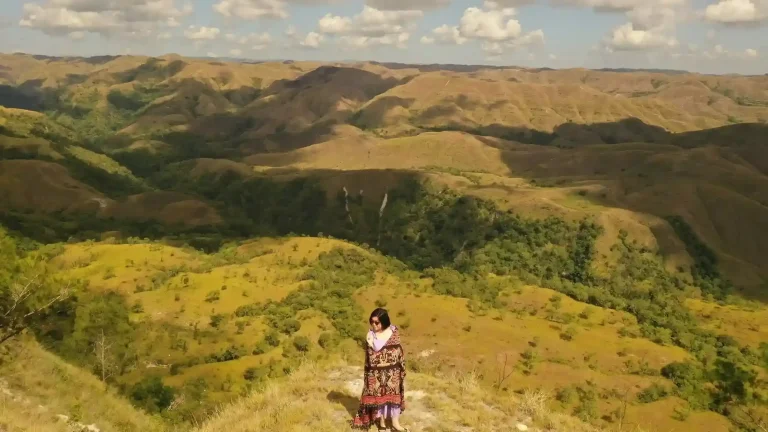
Journal
Visiting ikat weaving villages in Sumba on a private tour
Visiting ikat weaving villages in Sumba on a private tour is an enriching experience. Travelers can explore traditional crafts, interact with local artisans, and…
4 min read
Read article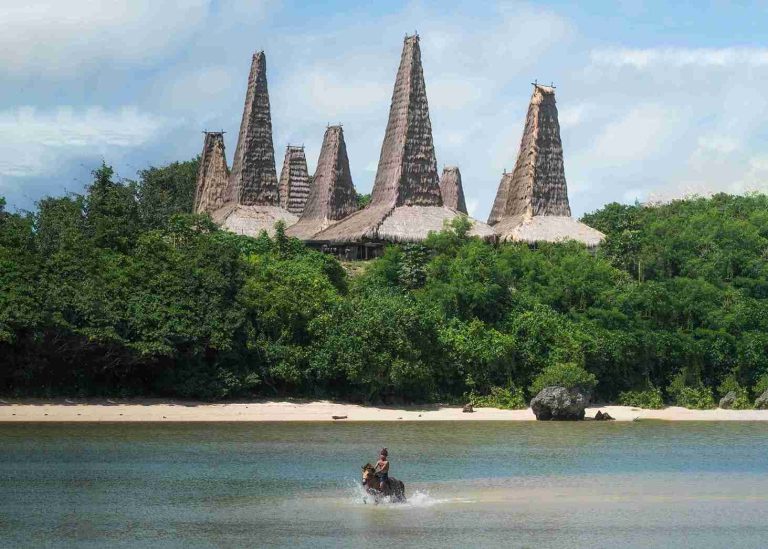
Journal
Understanding Sumba’s Marapu religion and cultural practices
Sumba’s Marapu religion is a vital aspect of local culture, deeply rooted in animism and ancestor worship. This belief system shapes daily life, rituals,…
5 min read
Read article