
Where Sumba Island is located and how to get there
5 min read
- Major cities: Waikabubak (West) and Waingapu (East)
- Best season: April to November
- Key attractions: Tanggedu and Lapopu waterfalls, Nihiwatu surf coast
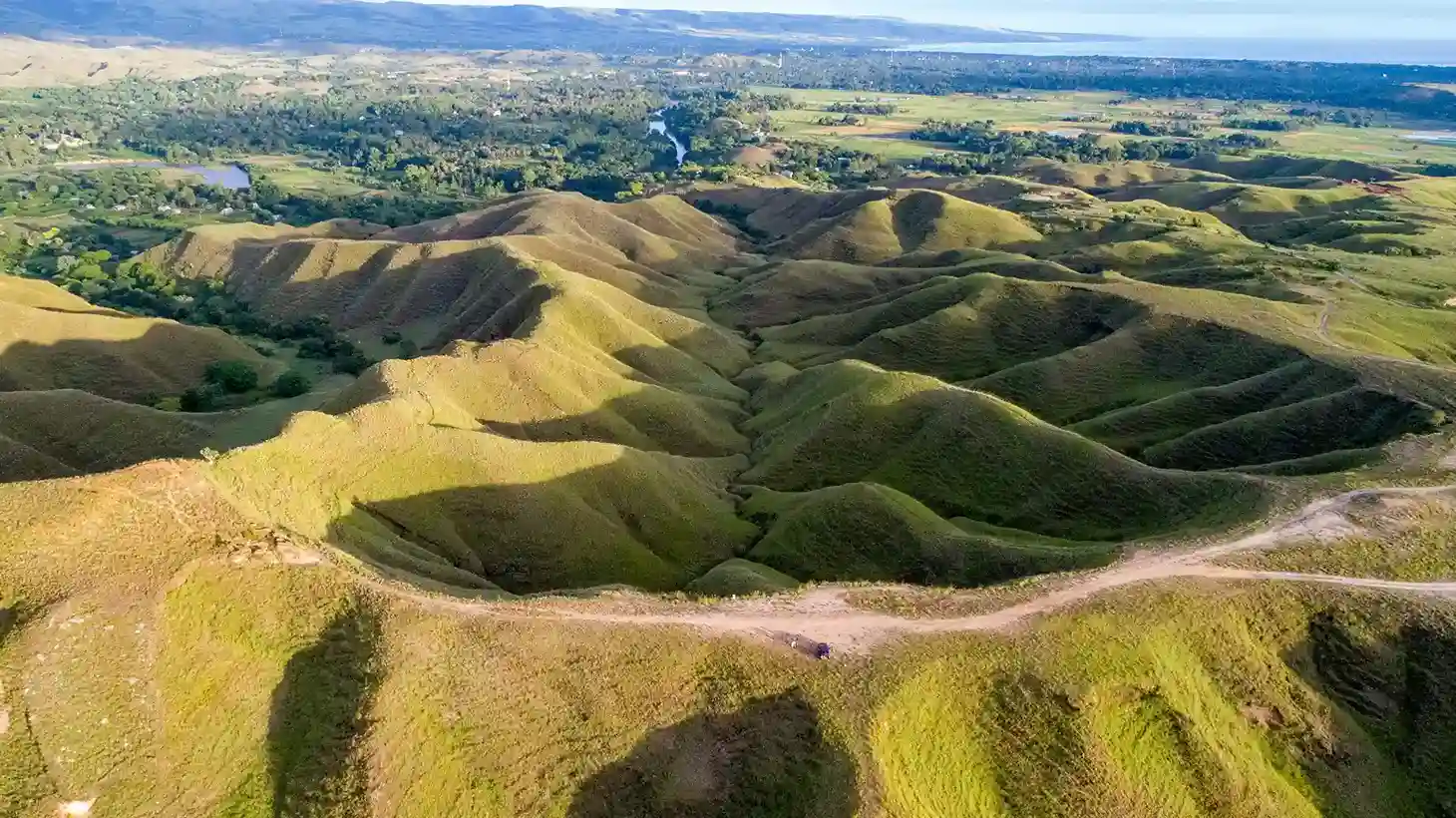
Sumba Island is a part of East Nusa Tenggara, Indonesia. It is situated approximately 400 kilometers southeast of Bali, making it a remote yet accessible destination for travelers seeking unique cultural and natural experiences. Sumba is known for its diverse landscapes, traditional villages, and striking waterfalls, such as Tanggedu and Lapopu. With its rich cultural heritage, Sumba is an ideal location for private guided trips that provide a deeper insight into the island’s heritage and natural beauty.
Geographical Overview of Sumba Island
Sumba Island spans approximately 11,150 square kilometers and is home to a population of around 700,000 people. The island is characterized by its rolling hills, savanna-like terrain, and beautiful beaches along the coast. The two main urban centers are Waikabubak in the west and Waingapu in the east, serving as gateways to the island’s attractions.
How to Get to Sumba Island
Travelers can reach Sumba Island by air or sea, with air travel being the most convenient option. Several airlines operate flights to Sumba from Bali and other Indonesian cities.
By Air
The simplest way to access Sumba is by flying into one of its two main airports: Umbu Mehang Kunda Airport (Waingapu) or Tambolaka Airport (Waikabubak). Here’s a brief overview of flights:
- Direct flights from Bali to Waingapu typically take around 1.5 hours.
- Direct flights from Bali to Tambolaka take about 1 hour and 45 minutes.
- Airlines such as Garuda Indonesia, Wings Air, and TransNusa provide regular services to Sumba.
By Sea
Traveling by sea is an alternative, although less common. Ferries and boats operate from nearby islands, but the schedules may be irregular. The main ferry routes include:
- Ferries from Flores to Sumba, particularly from Labuan Bajo.
- Boats from other islands in East Nusa Tenggara.
However, this option may require advanced planning due to limited services and longer travel times.
Getting Around Sumba Island
Once on Sumba Island, getting around can be accomplished via private guided trips. Hiring a local guide with a car is recommended, as they provide valuable insights about the island’s culture and attractions. Here are key points regarding transportation:
- Private guides typically charge around IDR 800,000 to IDR 1,500,000 for a full day, depending on the itinerary.
- Rental cars without a driver are also available, but roads can be challenging.
- Local transportation options include ojek (motorcycle taxis), but they may not be suitable for long distances or group travel.
Popular Attractions on Sumba Island
Visitors to Sumba will find a range of attractions, from striking natural sites to traditional villages. Here are some of the essential places:
Tanggedu Waterfall
Located near the village of Tanggedu, this waterfall is famous for its clear turquoise waters. Visitors can swim and enjoy the scenic views. It is accessible via a short hike, making it a popular spot for both tourists and locals.
Lapopu Waterfall
Another sweeping waterfall, Lapopu is located in the West Sumba region. It features multiple tiers and a beautiful natural pool perfect for swimming. The surrounding lush jungle offers excellent photo opportunities.
Traditional Villages
Sumba is known for its unique culture, which is best experienced in its traditional villages. The villages of Ratenggaro and Prai Ijing are notable for their traditional houses and megalithic tombs. Engaging with local communities can provide insight into Sumba’s customs and traditions.
Nihiwatu Surf Coast
For surf enthusiasts, Nihiwatu offers world-class waves. While it is known for its luxury resorts, the beach is also accessible for day visitors. Surfing here can be a thrilling experience, attracting surfers from around the globe.
Best Time to Visit Sumba Island
The ideal time to visit Sumba Island is during the dry season, which lasts from April to November. During this period, the weather is generally sunny with minimal rainfall, making it perfect for outdoor activities and exploration.
- Average temperatures range from 25°C to 32°C (77°F to 90°F).
- Peak tourist season is July and August, so plan accordingly for accommodation and activities.
- Shoulder months (April, May, September, October) offer pleasant weather with fewer crowds.
Pricing and Packages for Private Guided Trips
When planning a visit to Sumba, consider the cost of guided tours, accommodations, and activities. Here are some pricing guidelines:
- Private guided trips typically range from IDR 1,500,000 to IDR 3,000,000 per day, depending on the itinerary and the number of participants.
- Accommodation prices vary significantly, from budget guesthouses at IDR 300,000 per night to luxury resorts starting at IDR 2,500,000 per night.
- Activity costs, such as entrance fees for waterfalls and village tours, generally range from IDR 20,000 to IDR 100,000 per person.
For those interested in exploring Sumba’s unique offerings, you can compare packages to find the right fit for your travel needs.
In summary, Sumba Island is a remarkable destination located in East Nusa Tenggara, Indonesia, with diverse attractions and rich cultural experiences. By air or sea, travelers can easily access this unique island, and private guided trips offer an enriching way to explore its natural beauty and cultural heritage. Take into account the best seasons to visit and plan your itinerary accordingly for an singular experience on Sumba Island.
Planning specifics? See our sumba Private Tour Pricing & Cost Guide guide or Sumba Private Trip.
Keep Reading
All articles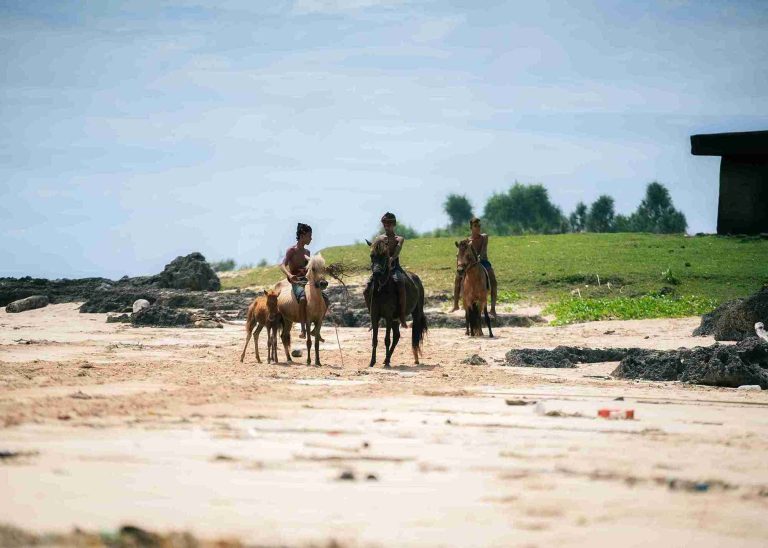
Journal
Guide to Nihiwatu surf coast and nearby beaches in Sumba
Nihiwatu Surf Coast is a premier surfing destination in Sumba, offering consistent waves and beautiful landscapes. Visitors can experience world-class surf, explore nearby beaches,…
4 min read
Read article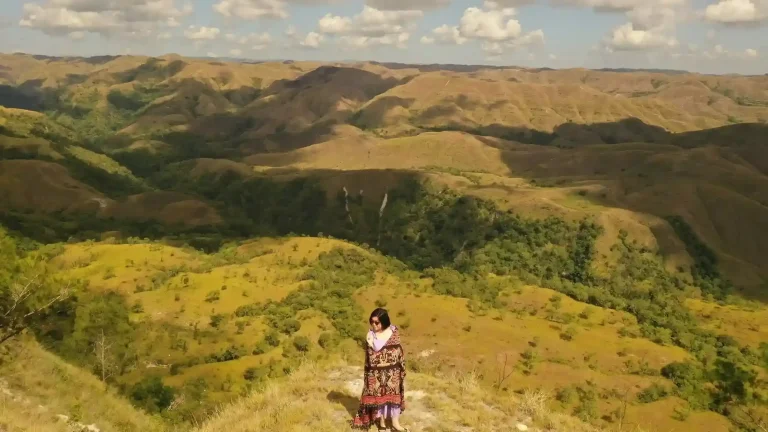
Journal
Visiting ikat weaving villages in Sumba on a private tour
Visiting ikat weaving villages in Sumba on a private tour is an enriching experience. Travelers can explore traditional crafts, interact with local artisans, and…
4 min read
Read article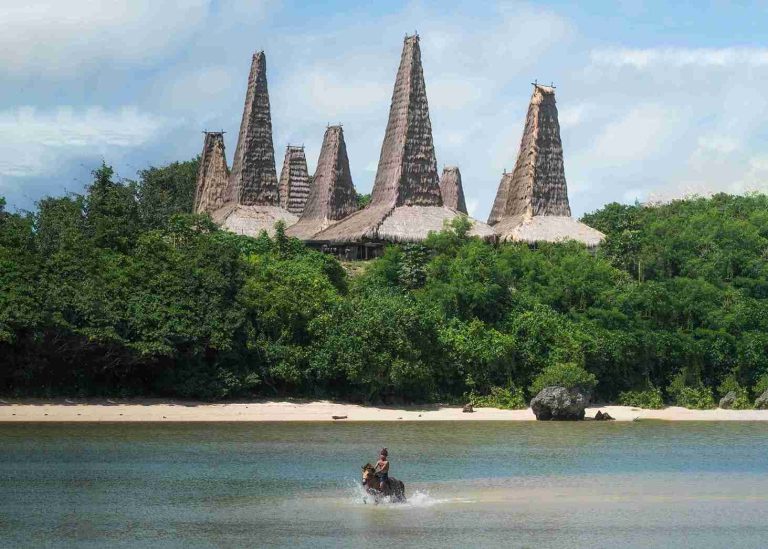
Journal
Understanding Sumba’s Marapu religion and cultural practices
Sumba’s Marapu religion is a vital aspect of local culture, deeply rooted in animism and ancestor worship. This belief system shapes daily life, rituals,…
5 min read
Read article